

Your car’s been hit, your nerves are shot, and suddenly everyone has advice. Friends, family, even strangers online will tell you what insurance covers, which shop to use, and how long repairs take. Most of it sounds convincing, until you find out what’s true.
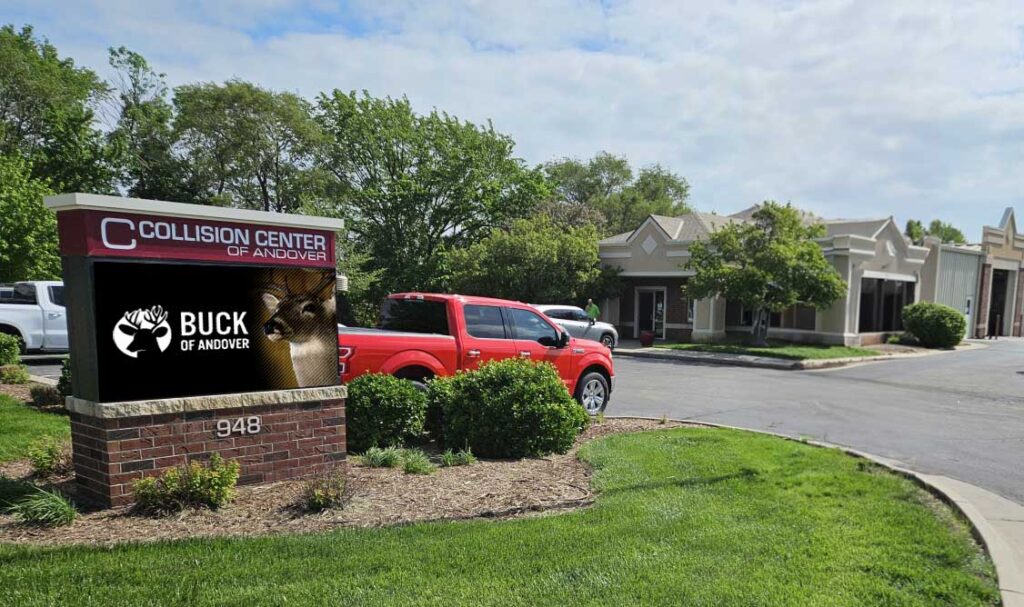
At Collision Center of Andover, we hear these stories every week. As a locally owned, I-CAR Gold Class certified repair shop, we’ve spent over 20 years helping Kansas drivers through one of life’s most stressful moments, dealing with a damaged vehicle and an insurance claim at the same time.
We’ve seen how small misunderstandings can turn simple repairs into drawn-out headaches. That’s why this guide cuts through the noise. Here, you’ll learn the truth behind the most common myths about insurance and collision repairs, so you can make clear, confident decisions after an accident.
Why These Myths Persist (and Why They’re Costly)
Misinformation spreads fast. A friend might share advice based on an accident from years ago, or a neighbor repeats what their insurance adjuster said. Before long, outdated and incorrect information starts sounding like fact.
These myths cause real problems. Some drivers end up with rejected claims because they followed the wrong advice. Others delay needed repairs, not realizing that small dents can hide serious safety issues. In the worst cases, poor repair work leaves vehicles unsafe on the road.
The truth is simple, reliable repairs and honest insurance guidance save time, money, and stress. So let’s break down these myths one by one and uncover the facts that really matter.
Myth 1: You Must Use the Repair Shop Your Insurance Company Recommends
This is one of the most common myths drivers believe after an accident. Your insurance company might suggest a shop, but they can’t require you to use it. The decision is yours.
Insurance companies often work with Direct Repair Program (DRP) shops. These partnerships make it easier for them to process claims, but sometimes convenience doesn’t mean better quality.
Here’s what matters most:
- You have the legal right in Kansas to choose your own repair shop.
- DRP shops may prioritise insurer contracts, while independent shops focus on the driver.
- A certified repair shop ensures your car is restored safely and correctly.
At Collision Center of Andover, we work with all major insurance providers to make your claim stress-free. But we’ll never let an insurance agreement limit the quality of your repair. Your car, your choice, always.
Myth 2: Insurance Covers Every Penny of the Damage
It’s easy to think your insurance will cover the full cost of repairs. In reality, there are always variables that affect what gets paid.
What your policy might include:
- Deductibles: The portion you pay before your insurer contributes.
- Coverage limits: Some policies cap how much is paid for certain parts or services.
- Depreciation: Older vehicles or worn components may receive reduced coverage.
- Additional repairs: Paint blending, alignment, or hidden frame damage might not appear in the first estimate.
That’s why it’s smart to request a clear, itemised estimate.
Myth 3: You Need Three Estimates Before Starting Repairs
The old “get three quotes” advice doesn’t apply anymore. Kansas law doesn’t require multiple estimates, and most insurance companies don’t either.
That rule came from decades ago when insurers had less oversight. Today, certified shops follow standard pricing systems that keep costs consistent and transparent.
Why one accurate estimate is better:
- It saves time, no need to drive from shop to shop.
- It prevents underestimating hidden damage.
- It helps your insurer approve the repair faster.
At Collision Center of Andover, our technicians inspect everything, visible dents, hidden frame shifts, and safety components. One detailed estimate from us is all you need to get your claim approved quickly and your car back on the road safely.
Myth 4: Aftermarket Parts Are Always Worse Than OEM
A lot of drivers think aftermarket parts are cheap imitations. The truth is more balanced. Not all aftermarket parts are bad, and not all OEM parts are perfect.
Here’s how they differ:
- OEM parts come from your car’s manufacturer. They’re built to match the original specifications but usually cost more.
- Aftermarket parts are made by third-party manufacturers. Some are poor quality, but many meet or even exceed OEM standards.
- Recycled or reconditioned parts are genuine components from other vehicles that have been inspected and restored for reuse.
The real difference comes down to installation and certification. A qualified repair shop ensures every part fits properly, works safely, and meets warranty standards. Some insurance policies also specify which parts can be used, so it helps to review your coverage before the work begins.
When done correctly, repairs using any of these parts can restore your car’s safety and appearance just as well as the originals.
Myth 5: Minor or Hidden Damage Isn’t Serious
Small dents or scratches can look harmless, but they might hide more serious problems. Beneath the surface, there could be:
- Bent or twisted frame components
- Suspension or alignment issues
- Damaged sensors connected to safety systems
Modern cars rely on Advanced Driver Assistance Systems (ADAS) like lane departure warnings, blind spot detection, and emergency braking. Even a light bump can throw those systems out of calibration.
That’s why every collision deserves a quick professional check. A short inspection can reveal damage you can’t see and prevent future safety risks. Fixing it early also protects your car’s resale value and performance.
Myth 6: A Repaired Car Will Never Be the Same Again
Many people assume a repaired car will always feel “off.” Years ago, that was true, but repair technology has improved dramatically.
Today’s repair shops use precise measuring tools and advanced paint-matching systems. These ensure the car’s structure, colour, and performance return to their original standards. When done right, repairs restore not just appearance but also safety and durability.
Certified technicians follow manufacturer guidelines and stand behind their work with a warranty. That means your repaired car can look, drive, and feel just as good as before the accident.
Myth 7: Auto Body Repair Takes Forever
Many people assume collision repairs drag on for weeks, but most jobs take far less time. The real timeline depends on the type of damage and how quickly parts and insurance approvals come through.
What usually causes delays:
- Waiting on insurance adjuster approval
- Parts on backorder or shipping delays
- Added repairs discovered once work begins
- Seasonal backlogs after storms or major accidents
A good repair shop keeps the process moving by staying in touch with both you and your insurer. Some even provide digital updates so you can track progress without calling for status checks.
If you choose a shop that communicates clearly and plans repairs efficiently, you can expect your vehicle back sooner than you think.
Myth 8: Insurance Adjusters Always Act in Your Best Interest
Insurance adjusters aren’t the enemy, but they don’t work for you either. Their job is to settle claims efficiently and control the company’s costs. That means their recommendations might not always reflect what’s best for your car.
How to protect yourself:
- Review every line of the repair estimate carefully
- Ask questions about parts, labour, and coverage
- Request written clarification on anything unclear
- Get a second opinion if something feels off
A trustworthy repair shop like Collision Center of Andover will explain every step clearly, help you understand what your insurer covers, and ensure no corners are cut. Staying informed gives you control and confidence that your repair meets proper safety standards.
Myth 9: DIY or “Quick Fix” Repairs Save Money
Fixing your car at home might seem cheaper, but it can lead to serious issues later. Modern vehicles have complex structures and safety systems that require precise calibration.
Common problems with DIY repairs:
- Airbag sensors or safety systems left disconnected
- Paint mismatches that expose metal and lead to rust
- Missed structural damage that weakens the frame
These shortcuts often cost more in the long run when they fail inspection or cause further damage. A quick look from a qualified technician can spot hidden issues and ensure repairs meet factory standards.
Sometimes, letting professionals handle it isn’t about convenience, it’s about keeping your car safe to drive.
Myth 10: Dealership Repairs Are Automatically Better
It’s easy to assume dealership repairs guarantee higher quality. In reality, many dealerships don’t do collision repairs in-house. They often subcontract the work to independent body shops that may not even carry the dealership’s name.
Here’s what’s worth knowing:
- Dealerships focus on mechanical service, not necessarily body repair.
- Certified local shops can meet or exceed factory standards using the same tools and repair data.
- What matters most is the technician’s training, equipment, and commitment to safety, not the brand logo on the building.
A certified repair center that follows manufacturer guidelines can return your car to pre-accident condition just as accurately as a dealership. It’s the quality of work and the warranty that prove value, not the name above the door.
What To Do After a Collision (Step-by-Step Guide)
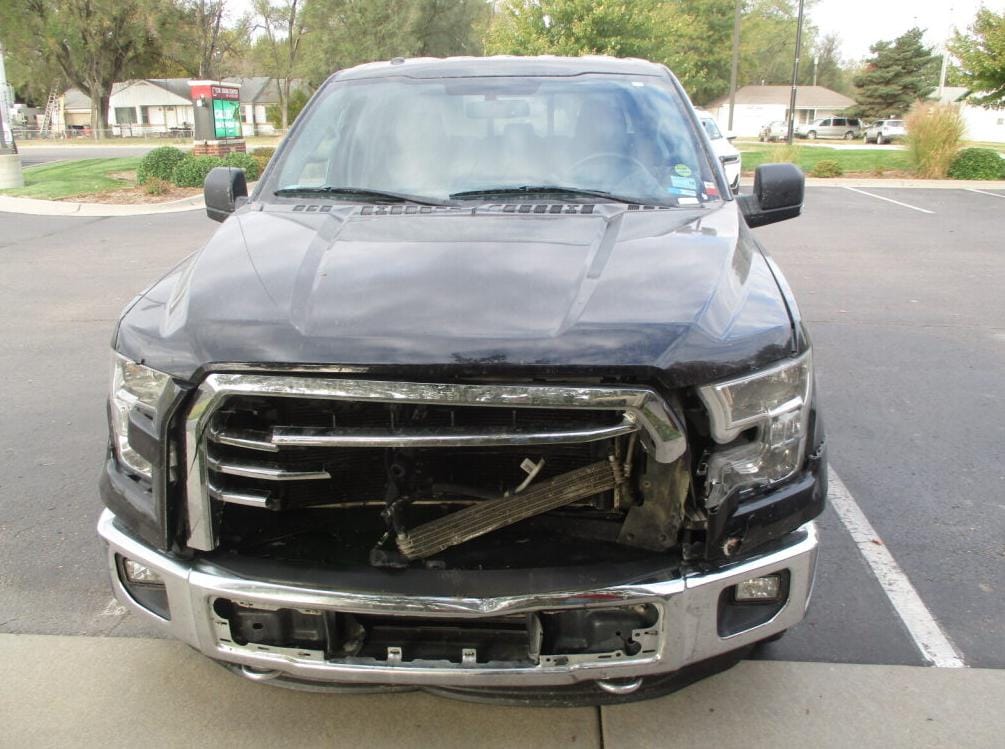
Accidents are stressful but knowing what to do right after can make your insurance claim and repair process much smoother.
Step 1: Check safety first.
Make sure everyone is okay. Move to a safe location and call emergency services if needed.
Step 2: Document everything.
Take photos of the vehicles, damage, and scene. Collect names, contact details, and insurance information from all drivers involved. If possible, get a police report.
Step 3: Contact your insurer.
Report the accident as soon as possible, but remember: you have the right to choose your repair shop.
Step 4: Get a certified inspection.
Schedule an inspection with a qualified repair centre. A detailed estimate ensures all damage is documented correctly.
Step 5: Approve and keep records.
Once you agree to the repair, keep copies of all paperwork and communication for your claim. These records protect you if questions arise later.
Choosing a shop that communicates clearly and stands behind its work can turn a stressful situation into a smooth recovery process.
Frequently Asked Questions
Can I choose my own auto body shop after an accident?
Yes. In Kansas, drivers have the legal right to choose where their vehicle is repaired. Your insurance company can suggest a preferred shop but cannot require you to use it. You can select any licensed and certified repair facility you trust.
Does using a non-preferred shop void my insurance?
No. Your insurance coverage remains valid no matter which repair shop you choose. Preferred shops are part of an insurer’s network for convenience, but choosing an independent certified shop will not affect your claim or policy.
Are OEM parts required by insurance?
Not always. Some insurance policies allow the use of aftermarket or recycled parts to reduce costs. If you prefer OEM (Original Equipment Manufacturer) parts, check your policy or discuss it with your insurer before repairs begin. A quality repair shop will explain your options and document your preference.
How long do collision repairs usually take?
Most repairs take a few days to two weeks, depending on the extent of damage, parts availability, and insurance approvals. Major frame or mechanical work can take longer. A reliable repair shop will give you a clear timeline and update you on progress throughout the process.
Will filing a claim always increase my premiums?
Not always. If the accident wasn’t your fault or falls under comprehensive coverage (like hail or theft), your rates may stay the same. However, at-fault claims or repeated incidents can raise premiums. Each insurance company has its own guidelines, so it’s best to ask your agent directly.
What if more damage is found after repairs start?
This is called supplemental damage. It’s common for hidden issues to appear once a vehicle is disassembled. The repair shop submits the new findings to your insurance company for approval before continuing. You won’t be billed for covered supplemental work without notice.
Does insurance pay for hidden damage or supplemental repairs?
Yes, if the damage is related to the original accident and within your coverage. The shop documents the findings and sends a supplemental estimate to your insurer for review. Once approved, the additional repairs are covered just like the rest of your claim.
Can I get my deductible waived?
Usually not. Deductibles are part of your insurance agreement, and shops can’t legally waive or absorb them. However, some insurers or repair facilities offer promotions or assistance programs, so it’s worth asking about available options.
Conclusion
Understanding how insurance and collision repairs really work saves time, money, and frustration. When you know the facts, you can avoid common myths that lead to delays, denied claims, or poor-quality repairs.
The smartest choice after an accident is to work with a repair shop that values honesty, communication, and safety. Collision Center of Andover provides clear estimates, certified workmanship, and a team that puts your needs first.
Your car deserves the right care, and so do you. Let’s get your car, and your confidence, back on the road.