Open Hours
Mon - Fri:
7.30 am - 5.30 pm
Sat - Sun:
Closed

Category: collision

Common Myths About Insurance and Collision Repairs

Your car’s been hit, your nerves are shot, and suddenly everyone has advice. Friends, family, even strangers online will tell you what insurance covers, which shop to use, and how long repairs take. Most of it sounds convincing, until you find out what’s true.

At Collision Center of Andover, we hear these stories every week. As a locally owned, I-CAR Gold Class certified repair shop, we’ve spent over 20 years helping Kansas drivers through one of life’s most stressful moments, dealing with a damaged vehicle and an insurance claim at the same time.
Header Buck image

We’ve seen how small misunderstandings can turn simple repairs into drawn-out headaches. That’s why this guide cuts through the noise. Here, you’ll learn the truth behind the most common myths about insurance and collision repairs, so you can make clear, confident decisions after an accident.

Why These Myths Persist (and Why They’re Costly)

Misinformation spreads fast. A friend might share advice based on an accident from years ago, or a neighbor repeats what their insurance adjuster said. Before long, outdated and incorrect information starts sounding like fact.

These myths cause real problems. Some drivers end up with rejected claims because they followed the wrong advice. Others delay needed repairs, not realizing that small dents can hide serious safety issues. In the worst cases, poor repair work leaves vehicles unsafe on the road.

The truth is simple, reliable repairs and honest insurance guidance save time, money, and stress. So let’s break down these myths one by one and uncover the facts that really matter.

Myth 1: You Must Use the Repair Shop Your Insurance Company Recommends

This is one of the most common myths drivers believe after an accident. Your insurance company might suggest a shop, but they can’t require you to use it. The decision is yours.

Insurance companies often work with Direct Repair Program (DRP) shops. These partnerships make it easier for them to process claims, but sometimes convenience doesn’t mean better quality.

Here’s what matters most:

  • You have the legal right in Kansas to choose your own repair shop.
  • DRP shops may prioritise insurer contracts, while independent shops focus on the driver.
  • A certified repair shop ensures your car is restored safely and correctly.

At Collision Center of Andover, we work with all major insurance providers to make your claim stress-free. But we’ll never let an insurance agreement limit the quality of your repair. Your car, your choice, always.

Myth 2: Insurance Covers Every Penny of the Damage

It’s easy to think your insurance will cover the full cost of repairs. In reality, there are always variables that affect what gets paid.

What your policy might include:

  • Deductibles: The portion you pay before your insurer contributes.
  • Coverage limits: Some policies cap how much is paid for certain parts or services.
  • Depreciation: Older vehicles or worn components may receive reduced coverage.
  • Additional repairs: Paint blending, alignment, or hidden frame damage might not appear in the first estimate.

That’s why it’s smart to request a clear, itemised estimate.

Myth 3: You Need Three Estimates Before Starting Repairs

The old “get three quotes” advice doesn’t apply anymore. Kansas law doesn’t require multiple estimates, and most insurance companies don’t either.

That rule came from decades ago when insurers had less oversight. Today, certified shops follow standard pricing systems that keep costs consistent and transparent.

Why one accurate estimate is better:

  • It saves time, no need to drive from shop to shop.
  • It prevents underestimating hidden damage.
  • It helps your insurer approve the repair faster.

At Collision Center of Andover, our technicians inspect everything, visible dents, hidden frame shifts, and safety components. One detailed estimate from us is all you need to get your claim approved quickly and your car back on the road safely.
2

Myth 4: Aftermarket Parts Are Always Worse Than OEM

A lot of drivers think aftermarket parts are cheap imitations. The truth is more balanced. Not all aftermarket parts are bad, and not all OEM parts are perfect.

Here’s how they differ:

  • OEM parts come from your car’s manufacturer. They’re built to match the original specifications but usually cost more.
  • Aftermarket parts are made by third-party manufacturers. Some are poor quality, but many meet or even exceed OEM standards.
  • Recycled or reconditioned parts are genuine components from other vehicles that have been inspected and restored for reuse.

The real difference comes down to installation and certification. A qualified repair shop ensures every part fits properly, works safely, and meets warranty standards. Some insurance policies also specify which parts can be used, so it helps to review your coverage before the work begins.

When done correctly, repairs using any of these parts can restore your car’s safety and appearance just as well as the originals.

Myth 5: Minor or Hidden Damage Isn’t Serious

Small dents or scratches can look harmless, but they might hide more serious problems. Beneath the surface, there could be:

  • Bent or twisted frame components
  • Suspension or alignment issues
  • Damaged sensors connected to safety systems

Modern cars rely on Advanced Driver Assistance Systems (ADAS) like lane departure warnings, blind spot detection, and emergency braking. Even a light bump can throw those systems out of calibration.

That’s why every collision deserves a quick professional check. A short inspection can reveal damage you can’t see and prevent future safety risks. Fixing it early also protects your car’s resale value and performance.

Myth 6: A Repaired Car Will Never Be the Same Again

Many people assume a repaired car will always feel “off.” Years ago, that was true, but repair technology has improved dramatically.

Today’s repair shops use precise measuring tools and advanced paint-matching systems. These ensure the car’s structure, colour, and performance return to their original standards. When done right, repairs restore not just appearance but also safety and durability.

Certified technicians follow manufacturer guidelines and stand behind their work with a warranty. That means your repaired car can look, drive, and feel just as good as before the accident.

Myth 7: Auto Body Repair Takes Forever

Many people assume collision repairs drag on for weeks, but most jobs take far less time. The real timeline depends on the type of damage and how quickly parts and insurance approvals come through.

What usually causes delays:

  • Waiting on insurance adjuster approval
  • Parts on backorder or shipping delays
  • Added repairs discovered once work begins
  • Seasonal backlogs after storms or major accidents

A good repair shop keeps the process moving by staying in touch with both you and your insurer. Some even provide digital updates so you can track progress without calling for status checks.

If you choose a shop that communicates clearly and plans repairs efficiently, you can expect your vehicle back sooner than you think.
3

Myth 8: Insurance Adjusters Always Act in Your Best Interest

Insurance adjusters aren’t the enemy, but they don’t work for you either. Their job is to settle claims efficiently and control the company’s costs. That means their recommendations might not always reflect what’s best for your car.

How to protect yourself:

  • Review every line of the repair estimate carefully
  • Ask questions about parts, labour, and coverage
  • Request written clarification on anything unclear
  • Get a second opinion if something feels off

A trustworthy repair shop like Collision Center of Andover will explain every step clearly, help you understand what your insurer covers, and ensure no corners are cut. Staying informed gives you control and confidence that your repair meets proper safety standards.

Myth 9: DIY or “Quick Fix” Repairs Save Money

Fixing your car at home might seem cheaper, but it can lead to serious issues later. Modern vehicles have complex structures and safety systems that require precise calibration.

Common problems with DIY repairs:

  • Airbag sensors or safety systems left disconnected
  • Paint mismatches that expose metal and lead to rust
  • Missed structural damage that weakens the frame

These shortcuts often cost more in the long run when they fail inspection or cause further damage. A quick look from a qualified technician can spot hidden issues and ensure repairs meet factory standards.

Sometimes, letting professionals handle it isn’t about convenience, it’s about keeping your car safe to drive.

Myth 10: Dealership Repairs Are Automatically Better

It’s easy to assume dealership repairs guarantee higher quality. In reality, many dealerships don’t do collision repairs in-house. They often subcontract the work to independent body shops that may not even carry the dealership’s name.

Here’s what’s worth knowing:

  • Dealerships focus on mechanical service, not necessarily body repair.
  • Certified local shops can meet or exceed factory standards using the same tools and repair data.
  • What matters most is the technician’s training, equipment, and commitment to safety, not the brand logo on the building.

A certified repair center that follows manufacturer guidelines can return your car to pre-accident condition just as accurately as a dealership. It’s the quality of work and the warranty that prove value, not the name above the door.

What To Do After a Collision (Step-by-Step Guide)
4

Accidents are stressful but knowing what to do right after can make your insurance claim and repair process much smoother.

Step 1: Check safety first.

Make sure everyone is okay. Move to a safe location and call emergency services if needed.

Step 2: Document everything.

Take photos of the vehicles, damage, and scene. Collect names, contact details, and insurance information from all drivers involved. If possible, get a police report.

Step 3: Contact your insurer.

Report the accident as soon as possible, but remember: you have the right to choose your repair shop.

Step 4: Get a certified inspection.

Schedule an inspection with a qualified repair centre. A detailed estimate ensures all damage is documented correctly.

Step 5: Approve and keep records.

Once you agree to the repair, keep copies of all paperwork and communication for your claim. These records protect you if questions arise later.

Choosing a shop that communicates clearly and stands behind its work can turn a stressful situation into a smooth recovery process.

Frequently Asked Questions

Can I choose my own auto body shop after an accident?

Yes. In Kansas, drivers have the legal right to choose where their vehicle is repaired. Your insurance company can suggest a preferred shop but cannot require you to use it. You can select any licensed and certified repair facility you trust.

Does using a non-preferred shop void my insurance?

No. Your insurance coverage remains valid no matter which repair shop you choose. Preferred shops are part of an insurer’s network for convenience, but choosing an independent certified shop will not affect your claim or policy.

Are OEM parts required by insurance?

Not always. Some insurance policies allow the use of aftermarket or recycled parts to reduce costs. If you prefer OEM (Original Equipment Manufacturer) parts, check your policy or discuss it with your insurer before repairs begin. A quality repair shop will explain your options and document your preference.

How long do collision repairs usually take?

Most repairs take a few days to two weeks, depending on the extent of damage, parts availability, and insurance approvals. Major frame or mechanical work can take longer. A reliable repair shop will give you a clear timeline and update you on progress throughout the process.

Will filing a claim always increase my premiums?

Not always. If the accident wasn’t your fault or falls under comprehensive coverage (like hail or theft), your rates may stay the same. However, at-fault claims or repeated incidents can raise premiums. Each insurance company has its own guidelines, so it’s best to ask your agent directly.

What if more damage is found after repairs start?

This is called supplemental damage. It’s common for hidden issues to appear once a vehicle is disassembled. The repair shop submits the new findings to your insurance company for approval before continuing. You won’t be billed for covered supplemental work without notice.

Does insurance pay for hidden damage or supplemental repairs?

Yes, if the damage is related to the original accident and within your coverage. The shop documents the findings and sends a supplemental estimate to your insurer for review. Once approved, the additional repairs are covered just like the rest of your claim.

Can I get my deductible waived?

Usually not. Deductibles are part of your insurance agreement, and shops can’t legally waive or absorb them. However, some insurers or repair facilities offer promotions or assistance programs, so it’s worth asking about available options.

Conclusion

Understanding how insurance and collision repairs really work saves time, money, and frustration. When you know the facts, you can avoid common myths that lead to delays, denied claims, or poor-quality repairs.

The smartest choice after an accident is to work with a repair shop that values honesty, communication, and safety. Collision Center of Andover provides clear estimates, certified workmanship, and a team that puts your needs first.

Your car deserves the right care, and so do you. Let’s get your car, and your confidence, back on the road.
5

Rear Ended Car Repair in Wichita Area

Customers Rave Reviews for Collision Center of Andover

google reviews from wichita customers for autobody shop

“Super fast and easy! Got rear ended. Made claim and selected this shop. Was called immediately to set everything up. Dropped car off and was done in 6 days! They also handled the rental car.”

E.V. – Wichita, KS

Collision Center of Andover received that review in February 2023 on Google. This customer is like a lot of other drivers who has had the unfortunate experience of getting rear-ended.

There is never a good type of collision to have, but for getting rear-ended can be one of the most surprising ones to experience. We’ve probably all seen it happen, especially in certain parts of Wichita.

Rear Ended on Kellogg?

kellogg in wichita where rear end accidents happen

Imagine this. You’re driving along Kellogg during the rush-hour commute home. Just as you approach the short Hillside exit, suddenly a few cars try to squeeze into the bumper-to-bumper traffic in the right lane.

Cars suddenly break, yet one driver looks away for even the briefest of moments and misses seeing that all the cars are slowing down ahead. So, he hits the car in front of him, sending a cascade of vehicles rear-ending each other. Now the car in front has serious rear end damage.

The negligence or inattentiveness of one yahoo driver on Kellogg (or anywhere else around Wichita) is all it takes for a crash like that to happen. That’s why even “perfect drivers” are prone to rear-end collisions.

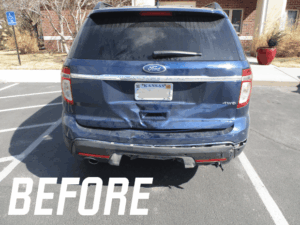
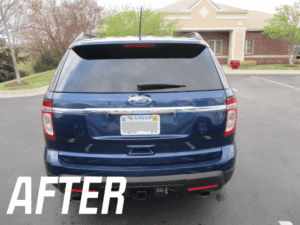
Ford SUV with rear end damage in Wichita  Autobody repair of a SUV that was rear ended

Wichita Car Accidents: Rear End Collisions on The Rise

You don’t have to wait long to hear about another rear-end crash in Wichita, Kansas. In fact, just recently many of these kinds of vehicle accidents have made the news.

In March of 2023, three people had to go to the hospital after their minivan was rear-ended on 1-135 in north Wichita. It happened late on a Wednesday morning near the K-96 junction. As they entered a work zone, the traffic required the minivan driver to come to a stop. But the driver in the new Ford truck behind her didn’t and so rear-ended the minivan.

And this isn’t the first time a rear end accident happened here. Just last fall during the evening commute, a young woman was yielding to traffic that had slowed down due to a different kind of wreck that had just happened there on I-135. But her 2021 Kia was suddenly struck in the back by a woman behind her in a Nissan Altima.

You don’t have to be in a small vehicle to be at risk. Even a Wichita Public School bus was rear-ended on Meridian Ave one early Thursday morning. Fortunately, no students suffered any serious injuries. But that goes to show, even distracted drivers may not even notice the vehicle in front is stopping, even when it is a huge bus!

What To Do if You Get Rear Ended?

If you find yourself in a rear-end collision, whether you were the one who caused it or not, there are some things you should know to best handle the situation including how to handle rear end damage.

First and foremost, get any needed medical attention. If anyone is possibly dealing with any type of injury, call the Sedgwick County 911 dispatch.

Even if it doesn’t seem like the injuries are severe, if anyone appears even slightly hurt, you should always call 911. Sometimes injuries aren’t immediately obvious, such as concussions or internal injuries. EMS will want to check out the situation and ensure everyone is okay or gets the necessary treatment.

Exchange information with the other driver, or drivers if this was a multiple vehicle rear-end collision situation. You will want to have the driver’s license and the insurance information of the at-fault driver. And if that is you, be prepared to give that information to the others involved in the crash. If the driver at fault does not have car insurance coverage, you may be able to get compensated from your own insurance company.

Consider looking for the name of a lawyer. Once you need to start dealing with insurance companies, you may find yourself in a legal mess, and one that only a good Wichita accident lawyer can really handle. You only need to look around at the billboards around town to find dozens of options for Wichita lawyers ready to help after a car wreck!

And of course, you will need to get your car repaired after a rear-end collision. That’s where Collision Center of Andover comes in. We have the area’s state-of-the-art autobody shop that handles everything after a vehicle is involved in a crash.

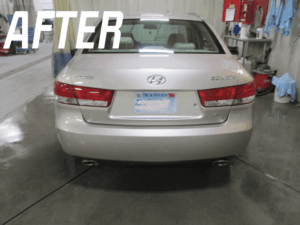
BEFORE image of a rear ended hyunda sonata After image of car body repair by Collision Center of Andover

Rear End Car Repair for Andover & Wichita Area

From handling massive repairs to your suspension and frame to getting out the tiniest of dents and everything in between, Collision Center of Andover has the reputation of being the Wichita area autobody shop that gets your vehicle back to looking like new again!

free estimates for car repair or autobody serviceCollision Center of Andover has been providing quality vehicle repair since 2006. We are one of the few Wichita area auto repair shops recognized by the collision repair industry as a Gold Class i-Card facility.

We are your one-stop shop for full line collision repair.

Give us a call at 316-733-9310 to fix your rear end collision damages. We even provide FREE auto body estimates from your phone! Just click here to our collision repair quote page to fill out the information and upload any photos.

Your rear end repair quote is just a few clicks away!

Do I Report a Car Accident to the DMV?

After a Crash: Reporting Requirements in Kansas

Kansas Department of Revenue controls the DMVGetting into a vehicle accident, even small ones, can cause a lot of headaches. Fortunately, most accidents do not cause personal injuries. But when you find yourself in a vehicle collision, you may be faced with handling financial, legal and other documentation work. But you may be wondering, do I have to report a car accident to the DMV?

The Department of Motor Vehicles is one organization that you may have to deal with after you are involved in an accident. The Kansas DMV is a division of the Kansas Department of Revenue.

DMV Accident Reports

dept motor vehicles office in Andover, KS - do i report a car accident to the dmvThe Kansas Department of Motor Vehicles keeps tracks of a variety of reporting documents. These records include your driving record, your license, your license plate, and your vehicle title. For this reason, the DMV does get involved in some vehicle collisions.
If you get into an accident where the police are involved, the police will notify the DMV with their police reports. Because the DMV keeps track of your driving record, whichever driver(s) were at fault will be reported to them.

If you had a minor collision and no police officer was called to respond to it, you do not need to contact the DMV. If no tickets were issued and no claims need to be filed, there is probably no reason to report the accident to the DMV.

When Do You Need to Contact the DMV About an Accident?

If you were found at fault of a serious infraction, this can cause a lot of issues. You may have to pay more for your car insurance or even have your driver’s license suspended. Of course, you want to make sure you don’t face any consequences that you don’t have to.

Making sure the records are correct is one reason why you may choose to contact the DMV. It’s not required, but something worth doing if you suspect wrong information exists. If the officer reported something incorrect, you would want the DMV to correct the information. For example, if you were fined for not having proof of insurance but you do have insurance, you would notify the DMV with the correct information. You can expect to be asked to provide supporting documents of proof.

DMV Reporting & Your Insurance

Whatever gets reported to the DMV does not necessarily also get relayed to your insurance company. If you need to make an insurance claim on a vehicle accident, you would need to contact your insurance company separately.

An insurance company would not typically report anything to the Department of Motor Vehicles. If they do, it’s likely because there is an issue related to the records the DMV keeps, such as an insurance lapse or a conviction of a serious offense like a DUI.

An accident that is reported to the DMV will be added to the driving records they keep. It will remain on your record likely for several years. This is true no matter if you were the driver at fault or not.

Kansas Law: What You Have to Report

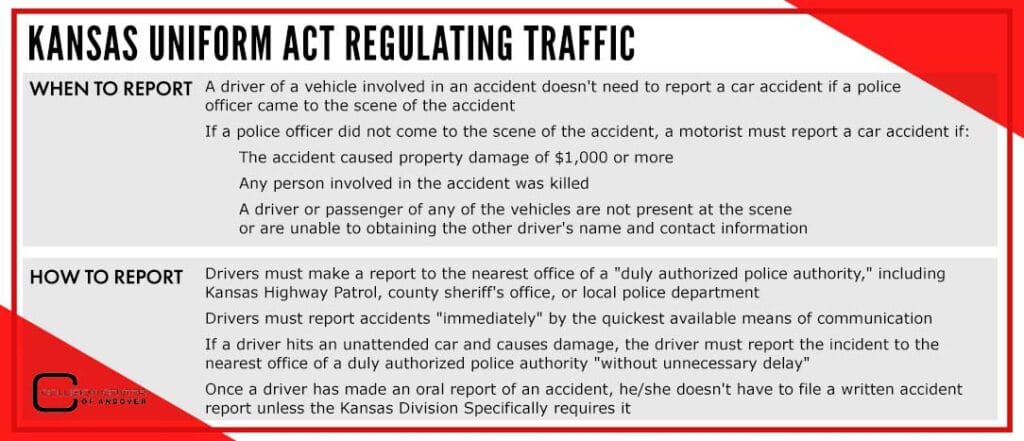
Every state has its own laws regarding what reporting is required after an accident. Here in Kansas, our law is pretty simple. Whether you get into a traffic accident in Wichita, Andover, or any town in Kansas, you only need to report it to the police.

But not every accident needs to be reported. Traffic accidents that you do NOT need to report include:

  • Accidents where a police officer comes to the scene (they will report it themselves)
  • An accident that does not result in property damages exceeding $1000
  • An accident where no one was seriously injured or killed

Per Kansas state law, you need to file any necessary report as immediately as possible. If you do not report an accident that the law requires, your license could be suspended.

Chart explaining Kansas laws regarding reporting traffic accidents

VEHICLE DAMAGE: FULL-SERVICE AUTO BODY REPAIR

If your vehicle was damaged from an accident, you will want to find a reputable local auto body shop that can professional handle any and all problems with your vehicle. While some damage may be easy to spot, there may be other issues like unibody alignment problems that you may not be able to see but are very important to get fixed before driving your vehicle again.

Car getting auto body repair at Collision Center of Andover shop

Collision Center of Andover has been trusted to repair cars and trucks in the Wichita area since 2006. Do not wait to get your vehicle looked at if you suspect an alignment problem. Bring your vehicle in to our state-of-the-art auto body shop for a quick and thorough repair. If it’s too damaged to drive, you can utilize our towing services.

Our experienced technicians will check everything under the hood to make sure your vehicle is fixed and safe to drive. Give us a call at (316) 733-9310 or request a free quote online. We are conveniently located just a few miles east of Wichita on Andover Rd.

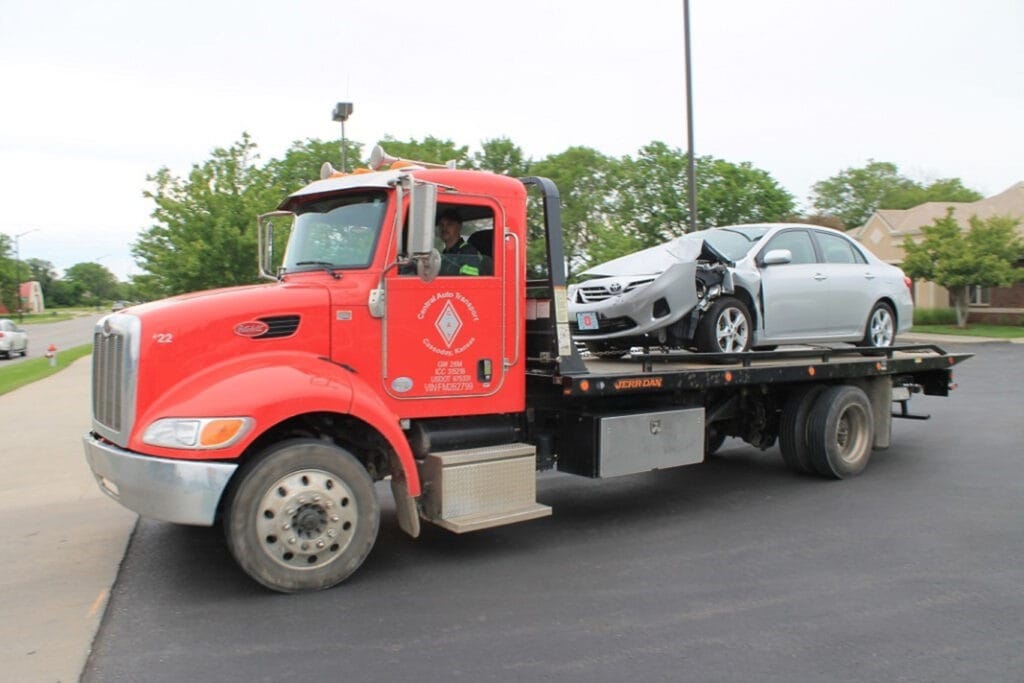
Towing available in Wichita, Andover and surrounding area

Minor Fender Bender Damage or Hidden Issues?

7 Common Ways a Small Car Accident Can Cause Big Problems

It happens to just about all of us. We run over a curb, tap a pole in the parking lot, hit a deer, or even lightly bump into another car. When a little accident happens and you go check out the extent of the fender bender damage, you are likely to find some dents and scratches. While it’s never great to realize your vehicle has been damaged, it’s likely a relief to find out it’s minor. It may seem that your small fender bender didn’t create any significant damage.

But did it?

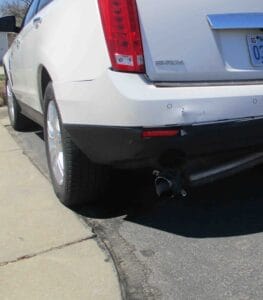
Fender bender damage done to the back of a 2011 white cadillac, taken in for repairs to Collision Center of Andover.Fender bender accidents are very common. A minor collision may not seem like reason enough to go to an auto repair shop immediately, but there is a good reason that it is. Sometimes the damage to your car from a very minor accident can actually leave you with real damage that will need to be addressed.
Why are fender benders sometimes big problems? Because many people don’t see the problem. Or they underestimate the damage and ignore it.

Let’s say a person has a minor accident that appears to have left behind a few scratches. So they decide their vehicle doesn’t need to go to the auto repair shop. But in reality, the vehicle did suffer damage beyond the paint. And, being left ignored, this damage gets worse and causes even bigger problems for your vehicle.

Leaving fender bender damage ignored for too long is the wrong thing to do. What could have been a small and inexpensive repair can quickly turn into a major, costly problem.

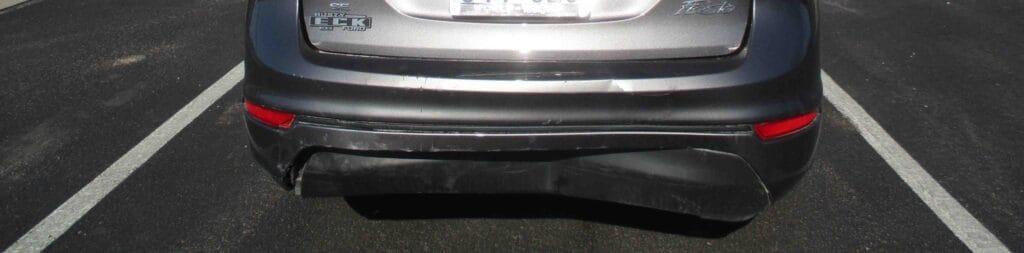
Bumper dented on the back of a 2014 Ford Fiesta, repaired at Collision Center of Andover

What To Look For

A fender bender can cause a surprising amount of damage to your car. A lot of these problems are not immediately evident. But days or weeks (or even months) after some slight run-in, you may discover something is definitely not right with your vehicle. Here is a list of just some of the problems that can be caused by even the smallest of fender benders.

  1. BUMPERS
    Your car’s bumper is designed to best protect your vehicle from damage when it runs into another vehicle’s bumper. But take a look at the different types and sizes of vehicles out there – from Smart Cars to Hummers – and you’ll see bumpers don’t always line up with each other. Bumpers do a bigger job these days. Not only is your vehicle’s bumper supposed to absorb a relatively minor impact, it’s also housing several important sensors.
  2. SENSORS
    There are sensors on parts of your vehicle that could easily be impacted by a minor impact. These are the sensors that give you such assistance as your blind spot warning and cruise control information. You may have a minor fender bender one day to discover a week later that a lot of those high-tech components in your vehicle no longer work.
  3. ALIGNMENT
    Sometimes a small accident can create a shift in your vehicle’s alignment. The impact may have put, even slightly, your wheels or suspension out of place. A slight amount of change can create large problems over time if left ignored. Your vehicle could have suffered structural damage from what seemed like a slight accident. That damage may be too minor to notice with a simple visual inspection, but structural problems could leave your vehicle less able to handle the impact of a future crash.
  4. ELECTRICAL
    There are a lot of electrical components inside your vehicle. Even a minor fender bender could loosen some wires. Days or weeks after a small accident, you could suddenly find yourself with an electrical short somewhere in your car. Perhaps your power windows are stuck open or your locks are malfunctioning.
  5. AIR CONDITIONER
    The air conditioner in vehicles is typically mounted in the front. An accident that affects the front of your vehicle could impact the AC. Over time, the condenser could leak refrigerant which will leave you in a hot car. But it could be worse than that. A damaged or broken radiator will likely leak coolant. Pretty soon you can find out that your engine is overheating.
  6. RUST
    Did your vehicle suffer a little scratch or rubbed-off paint? Even this is likely to lead to bigger problems down the road. The underlying metal may now be exposed to the elements, causing it to rust.
  7. WINDSHIELD CHIP
    A tiny chip or crack in your windshield is almost guaranteed to grow. And with it, the cost to fix it. Once you notice even a tiny crack in your windshield, you will want to get that replaced.

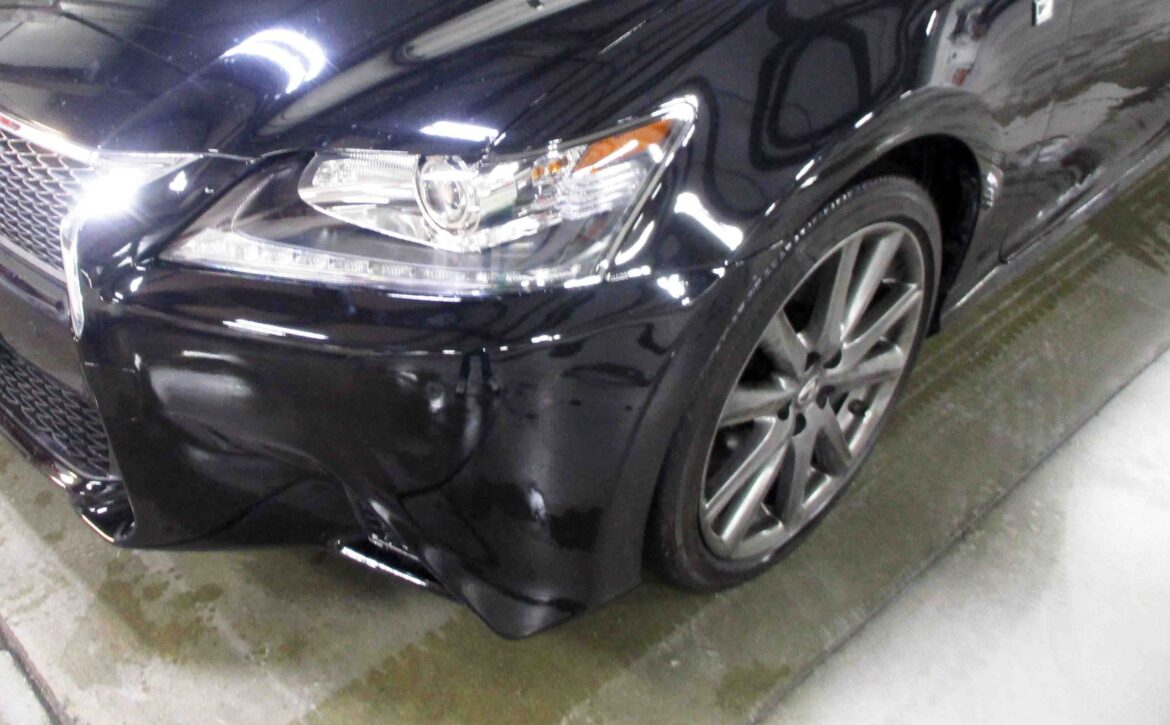
Small vehicle damage to the front of a 2015 Lexus.When Does a Fender Bender Require Repairs From an Auto Body Shop?

Well, the safest answer is that you should head to a mechanic after any run-in where you notice any possible damage. If you were jarred by some impact or bump, it’s always best to have a professional mechanic check under the hood and elsewhere along your vehicle to ensure everything is fine.

Best case scenario: you leave paying a minimal fee for the inspection with nothing wrong. Even better, you take it to our experienced auto body mechanics at Collision Center where we do NOT charge a fee if we find nothing wrong. The next best-case scenario: an auto repair technician finds something relatively minor wrong that they can fix easily and cheaply. With this small problem fixed, you’ve avoided being suddenly surprised by a major problem down the road.

At Collision Center of Andover, we’re the team of qualified auto body shop technicians in south-central Kansas to handle everything from cosmetic damage to suspension work. From chips in your windshield, and dents in your hood to full-line collision repair, everything is handled in our state-of-the-art auto body shop. We’ve been servicing vehicles for people in Wichita, Andover, and surrounding communities since 2006. Give us a call at (316) 733-9310.

Oh deer! What happens AFTER I hit a deer?

What To Do After a Deer Accident

It can happen in an instant. You see a blur, an object suddenly ahead of you on the road. There’s no time to avoid it. You’ve hit a deer. And now your vehicle has probably suffered damage from hitting a deer. It happens to more than a million of us every year in the U.S.

Here in the Wichita area, we see a lot of vehicles come in to Collision Center of Andover damaged by a deer accident. While there’s not much you can do to prevent it, there are some basic steps every driver needs to know to do if this startling situation happens to them.

deer in grass. Fall is the time to be alert for possible deer collisions.

What’s the cost?

The average collision with a deer ends up costing each driver on average about $3000 – $4000. But some collisions can end up costing as much as $10,000 or higher.

When am I at the greatest risk for hitting a deer?

Watch out especially on your way to the pumpkin patch or out to Thanksgiving dinner. In Kansas, during the fall and early winter is when you face your biggest risk for hitting a deer. Dawn and dusk are the two times of day when deer are most active and most likely to run out on the road.

After I hit a deer, what do I do?

  1. Pull your vehicle off to the side of the road or other safe place. Be sure it’s at enough of a distance from other drivers. Chances are this accident happened at dawn or dusk, when the light isn’t great to see everything around you.
  2. Call the police. If the collision resulted in injury or damage to your vehicle or other property, you may need to fill out an official report. This report may be helpful for your insurance claim.
  3. Get out your cell phone’s camera. While now is not the time for a selfie, it is definitely the time to take photos. Be sure to get plenty:
    1. Damage to your vehicle
    2. Damage to any other property
    3. The roadway and your surroundings
    4. Injuries you or your passengers sustained

    Be sure you’re watching the road and your surroundings so that you are staying safe while you are taking these photos.

  1. Is the animal still alive? Steer clear of it. An injured and frightened deer could cause you damage with its legs and hooves.
  2. Take a pause before pulling back out on the road. Your car might not actually be safe to drive. Look for broken lights, leaking fluid, tire damage or other safety hazards. If anything seems off making it not safe to drive, call us for a tow. The Collision Center of Andover provides 24/7 quick, full-service towing to Wichita and Andover, towing any passenger vehicle to any destination or the shop of your choice. Call (316) 719-2100.
  3. Contact your auto insurance agent so they can start work immediately on your claim. Deer collision claims are usually covered under comprehensive insurance, not collision. Or to make things easier, when you call our shop just ask for Insurance Claims Assistance and we’ll work to help handle the process.

Animal collisions of any kind are unfortunate. The key to minimizing the damage is to follow the basic steps for your vehicle and others around you to make sure you aren’t put into any more danger. The best things you can do in advance is to check your insurance and see if you’re properly covered if you were to hit a deer. Also be sure to have a trusted repair shop ready to call if an accident happens to you. Better yet, find a repair shop that also will handle your towing!

collision center logo

Collision Center of Andover offers high-quality, reliable repair and towing service. Check out our before-and-after examples to see how we can completely fix your dented car from a deer collision or other accident. From full-line collision repair, paintless dent repair to mechanical repairs and more, count on the auto repair experts to get your vehicle running and back in shape.

Car Insurance Claim Do’s and Don’ts

No matter how great of a driver you are, there is a chance that you will be in a car accident at some point within your life. Accidents happen, and regardless of whether they were your fault, someone else’s fault, or were an “Act of God” accident, you need to know how to protect yourself when filing a car insurance claim. They say that the average for someone to be involved in a collision of some kind is every 7 years.

Use this blog as your personal guide to filing a claim, what to use, and how to protect yourself from things like rising rates, being dropped by your insurance, or completely destroying your reputation with your company. Here at Collision Center of Andover, we offer Insurance Claim Assistance – various car insurance companies have partnered with us to fast track vehicle repairs.

When should I file a car insurance claim?

It doesn’t matter if you were in an accident with another person, a tree, or a golf-ball sized piece of hail, you need to contact your car insurance company ASAP after a car collision. Do not wait a few days, especially if it makes your car inoperable or unsafe to drive.

Remember that you will also need to file  if your vehicle is vandalized, stolen, and damaged from a non-accident event.

If you are having trouble finding your insurance agent’s number, you should simply look at the front of your insurance card. If your card isn’t available (due to an accident or if it was ruined in a fire), you should also be able to look online.

What will I need when I file ?

According to DMV.org, you will need the following information:

  • Your full name and policy number (look on your insurance card or statement).
  • The timeframe of your policy.
  • Date, time, and location of the incident.
  • Names, addresses, and phone numbers of all drivers, passengers, and witnesses.
  • Driver’s license and license plate numbers for all drivers.

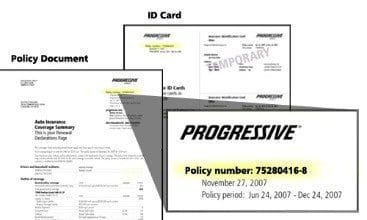
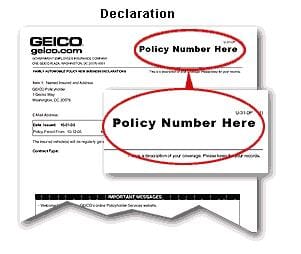
If you are having trouble locating your policy number on your card, here is where you may find them on the national insurance companies’ cards:

car insurance claim card

Car Insurance Claim Card 1

Depending on the accident and your insurance company, you might also have to fill out a sworn statement of the event. You should also take photos of the damages, the injuries, and the license plates.

How do I file a claim?

Once you have contact your insurance company, you will likely have to go through a few different steps to have it successfully completed. There are about five of them, which come from All State, though the number may vary depending on a variety of variables:

  1. A professional at the car insurance company will look at your claim and discuss where to take the case from there.
  2. Often, the second step is to meet with the insurance professional to talk about what happened, what your company covers, and where to go from here.
  3. The professional will come look at your car (usually at a collision center), examine any of the injury claims, and then make an initial payment.
  4. The company will then see that whatever plans they made in the first few steps are followed up and payments are dispense.
  5. The case is closed and you may have a hike in your coverage, or you may have a “get out of jail free accident.”

Property Damage Claims

You should know that while many states require property damage coverage, that doesn’t cover your own car. It does, however, cover the other person’s car.

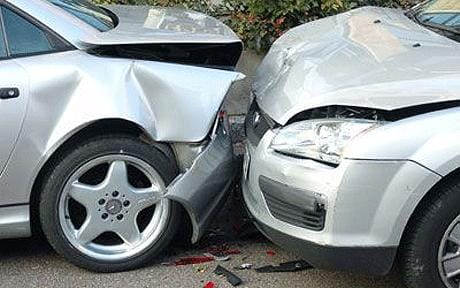
2 vehicles crashed into each other where you may need to file an accident car insurance claim

There are two types of coverage that can take care of damage to your car:

  • Collision Coverage – pays for damages to your vehicle
  • Comprehensive Coverage – covers damages to your car that aren’t related to an accident

You can get other type of insurances as well, depending on your car:

  • Uninsured motorist damage – this type of insurance helps to pay for your car when the driver that you hit does not have insurance.
  • Gap insurance – covers the difference if you have a leased or loaned car and it is totaled.
  • Glass coverage – replaces the “glass” that can be ruined during an accident – windshields, mirrors, or windows.

Quick Call Do’s and Don’ts

These are the different things that you should and shouldn’t do when you are filing a car insurance claim:

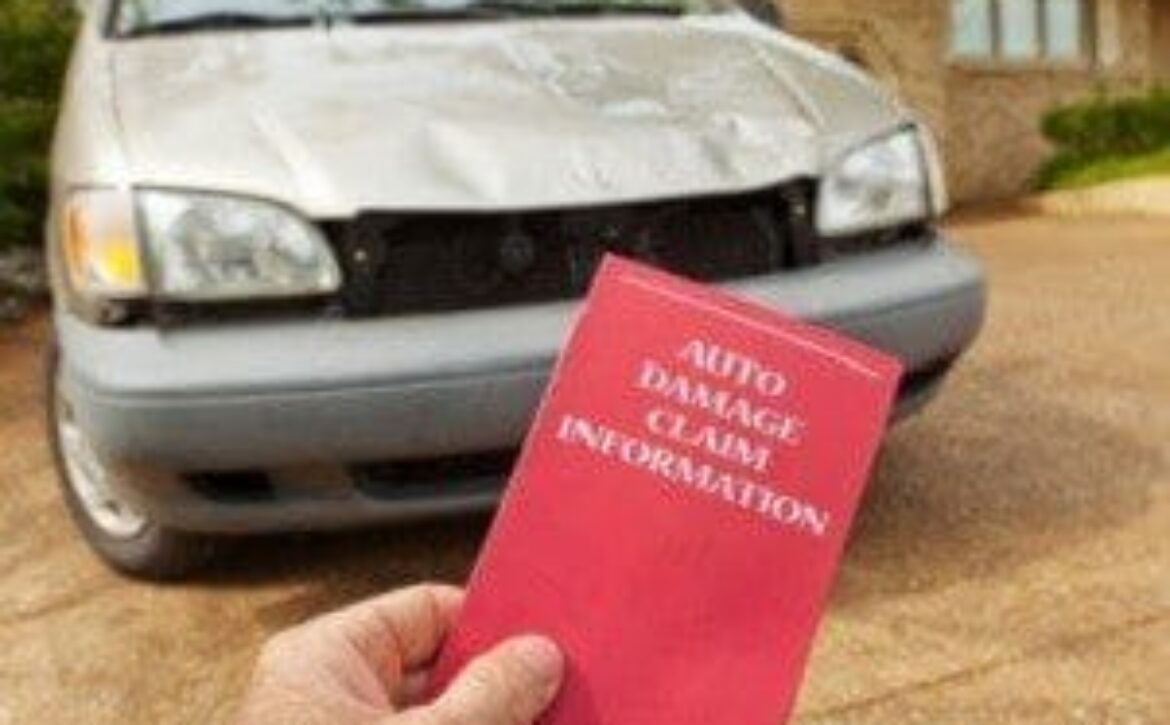
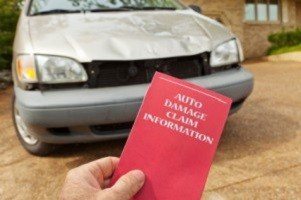
car insurance claim pamphlet

DO read your car insurance policy when you first sign up for it.

DO NOT wait for an accident to know what your policy covers.

DO contact your insurance company as soon as possible.

DO NOT wait a few weeks or “feel out” how much it will cost you.

DO be honest with your insurance company about the state of the accident.

DO NOT try to hide any details, as that could forfeit your rights to file.

DO gather information about your accident. Including photos, contact information, and the insurance information of the other person.

DO NOT volunteer information to police officers. Answer the questions, but STICK TO THE FACTS.

DO keep records of every communication you have with anyone involved in the claim and the accident.

DO NOT sign waivers or releases without talking to your insurance company.

DO save receipts and bills for what you have paid. This includes repair work, medical treatments, and other losses.

DO NOT admit liability, even if you were at fault.

Contact Us

No matter what, if you are in an accident, Collision Center of Andover will be on your side and try to help get you back into your car as soon as possible. Whether the accident just resulted in a few dents or whether you will need major repairs, we can help you out.

With many years of experience, we will be able to work with you and your insurance company to get the best possible results. Simply contact us today or give us a call at 316-733-9310 to get started!

The Do’s and Don’ts Following a Vehicle Accident

Auto accidents can be scary – even the smallest fender bender can be stressful. In addition to the inconvenience of a car accident, you will probably have to deal with auto body repair, liability issues, perhaps even a traffic citation. Maybe your vehicle is not drivable or perhaps you’re stranded by the side of the road. And worst case scenario, perhaps you or someone you love has been injured and needs medical assistance. You need to know how to be prepared to calmly and properly handle the situation.

After a Car Accident Checklist

Do:

  • Remain calm and polite
  • Stay at the scene
  • Check for injuries and call an ambulance if needed
  • Move your vehicle out of traffic, if possible
  • Put on your vehicle’s hazard lights and use cones or flares if you have them
  • Find a safe place off the road to exchange insurance and contact information
  • Call police, even if minor accident
  • Notify your insurance agent immediately
  • Register your insurance claim quickly as some insurance companies have time limits on when a claim can be filed
  • Call a tow truck service if your vehicle cannot be driven

Don’t:

  • Leave the scene
  • Admit it’s your fault
  • Discuss your coverage limits
  • Sign any document unless it’s for the police or your insurance agent

Information to gather immediately following a car accident:

  • Collect names, phone numbers, addresses of all occupants and any witnesses
  • Make note of number of occupants in the other car(s)
  • Write down location of accident, such as intersection/address/exit number
  • Write down insurance company name, policy number and contact number for other drivers involved
  • If emergency services were required, write down the police, ambulance and/or fire department name, corresponding phone numbers. Take note of the officer’s name and badge number

Document the car accident scene with photographs of the following:

  • Damage to the vehicles and/or property
  • Placement of vehicles/road conditions/skid marks/roadway debris
  • Location identifiers such as intersection/address/exit number
  • Identification cards, insurance cards, license plates

If you need any work done after a car accident, or existing damage repaired, contact the Collision Center of Andover, a trusted name in auto body repair all around the Wichita area, at (316) 733-9310, and we will get you back on the road.


photo credit: Donald Lee Pardue via photopin cc

Tips on How to Prevent and Survive a Vehicle Rollover

The scenario is all too familiar. You’re driving along enjoying the scenery and you begin to list a little toward the right side of the road. Your tire suddenly clips some debris, and you feel the steeling wheel jerk. You panic as you think you are about to have a collision and you attempt to steer fast to the left until you realize there’s an oncoming car so you quickly steer to the right again. And then, you flip your car. You could end up in the hospital and your vehicle will have to be repaired at an auto body shop. Think about the damage to your body, your car, and your wallet.

It’s all too easy, no matter how fast you are driving, to cause your car to roll over. While taller, more narrow vehicles such as pickup trucks, vans and SUVs are considered more likely to roll because of a higher center of gravity and their top-heavy stature, given the right conditions, any vehicle can roll over. How you prepare yourself and how you learn to maneuver in such an emergency, however, can greatly influence a positive outcome.

What may cause a vehicle rollover:

  • When a vehicle rounds a sudden curve, the gravity shifts greatly to one side which has a substantial effect on the vehicle’s balance, ultimately leading in a rollover
  • When a driver makes too sharp a turn one way and panics and overcorrects, a pendulum effect is created and the vehicle can roll over.

Avoiding and surviving rollovers:

  • Wear your safety belt so you are not ejected from the vehicle during a rollover crash. About 50 percent of rollover fatalities happen when a person is thrown from a vehicle and approximately 75 percent ejected die as a result.
  • Ensure your tires are in excellent shape and are properly inflated according to manufacturer’s specifications. This will help prevent blowout and loss of control.
  • Avoid overloading your vehicle as it decreases its stability. Never place the heaviest load on the roof as this changes the balance, and in the event of a sharp turn, you are more likely to flip the vehicle.
  • Keep your eye on the speedometer because speed can affect your vehicle’s tendency to roll over.
  • Remain extra vigilant when driving on rural roads as nearly 75 percent of fatal rollovers are said to occur on undivided, two-way roads or divided roads with no barriers where the speed limit is 55 mph or above.
  • Don’t panic! A substantial number of rollovers needlessly occur when drivers overcorrect their steering in an emergency and lose control.
  • Since vehicle manufacturers have worked diligently over the years on improving vehicle stability, performance and safety systems, vehicle and body shop experts agree newer vehicles are most often better when it comes to preventing and surviving a roll over.

What to do during loss of vehicle control?

While the government has not yet created standards that involve vehicle rollover prevention, there are vehicle performance standards to help protect occupants in the event of such an emergency.

With revised roof-crush rules and the advancements in computerized technology such as electronic stability program (ESP) or dynamic stability control (DSC), it is estimated a substantial number of rollovers occur as the result of general loss of control. When you panic during an emergency situation, you are more likely to overcorrect steering which can cause you to lose control. When a vehicle begins to slide sideways due to a sharp turn, it will most likely roll over. Most experts agree, if your vehicle begins to leave the roadway, it is best to reduce your speed until it is safe to re enter the roadway.

If you need any work done or existing damage repaired by a trusted body shop that serves Andover and Wichita, KS areas, contact the Collision Center of Andover at (316) 733-9310, and we will get you back on the road.

Dealing with Emotions

Accident Aftermath:
How to Cope with Post-Collision Emotional Trauma

The U.S. Department of Transportation reported in 2017 alone, there were 7.3 million vehicle crashes and accidents. So if you’ve found yourself in a vehicle crash, you are not alone. Most people experience a car accident at some point in their lives, and while we all know to call the police, the tow company, and the insurance company, not many of us talk about the emotional trauma.

If you’re having trouble with emotions after a collision, here’s some coping strategies to help you manage:

Understand that collisions may be unavoidable
Many drivers involved in a car wreck will blame themselves for the accident—even if it wasn’t their fault. If you were driving at the time of the wreck, there may not be anything that you could’ve done to avoid it. You cannot control the actions of other drivers, environmental conditions, and countless other variables. Buckling up, staying alert, and abiding by all road rules is all that you can do behind the wheel. Even so, accidents still happen.

Talk to somebody about the wreck
If you are experiencing depression, confusion, anxiety, insomnia, mood swings, or other negative symptoms as a result of the accident, keeping your feelings inside will only intensify them. Release your stress through communication. Whether it’s talking to a family member, friend, your medical doctor or a therapist, venting is a very healthy way to manage your emotions.

Commit to a healthy lifestyle
Vehicular accidents can cause physical and psychological harm to the body. Some coping strategies include the standards: eat well, exercise, and get an adequate amount of sleep each night.

Keep busy
Try to stay busy by picking up a new hobby. Reading a book, playing sports, gardening, or a number of other activities can add happiness to your life while keeping your mind off the accident.

Reach out; seek help
Don’t let it fester. Find ways to cope with your emotions.

Know that all is not lost. It can be stressful to be without your vehicle after an accident, but most accident repair can be fixed. You can even expect to have your vehicle back to looking like you never got into an accident! Call us at (316) 733-9310 and let the auto body experts at Collision Center of Andover take on the worry of your car’s repair. We provide all the services your car or truck needs following a collision including complete vehicle repaint and restoration, computerized frame and unibody alignment, and even glass repair and replacement. We work diligently to get your restored vehicle back to you as quickly as possible. Read more about how long you can expect auto body repair to take.


Five Things to do in the Aftermath of a Collision

Believe it or not, approximately 6 million car accidents occur in the United States each year. That means your chances of being involved in a collision are considerable. Unfortunately, many people don’t know what to do if they’re involved in a car wreck that puts their vehicle out of commission.

Dealing with an accident isn’t just a matter of calling a tow truck and calling it a day. Here are a few things you should do

What to do after a car wreck?

Here’s a short list of what you’ll need to do before the tow truck arrives:

  1. If you’re ok, dial 911 to report the accident
  2. Be ready to exchange information with the other driver. Most information you need will already be on your insurance policy card, but you also need your driver’s license, your registration, and a pen
  3. Take photos of the damage to all vehicles. These can be used to make your case to a claims adjuster
  4. File an accident report with your local law enforcement agency and get a copy of the police report for your claims adjuster
  5. Call a tow truck if the vehicle is inoperable. Deciding where you want the towing company to take your vehicle isn’t always easy. If you are in the Wichita/Andover area, consider using our towing service. Call us at (316) 719-2100

Do you know what to do if you need a tow after a fender-bender? Contact the pros at Collision Center of Andover. We’re happy to answer any questions you might have.