


A car can look perfectly fine after a crash and still have serious structural damage beneath the surface. Even when the exterior damage seems minor, the impact can shift critical components that affect how your vehicle drives and protects you.
At Collision Center of Andover, we have been serving drivers in Andover, Wichita, and surrounding communities since 2006, and we have seen how often hidden frame issues go unnoticed after what seems like a minor accident. In this article, we will explain how to recognize the signs of a bent frame, what those symptoms mean for your safety and vehicle value, and when it is time to schedule a professional inspection you can trust.
Why Frame Damage Matters More Than You Think
The frame supports everything that keeps your vehicle stable and safe on the road. It holds the engine, suspension, steering system, and body in proper alignment.
Most modern vehicles use a unibody design, which means the frame and body are built together as one structure. Some trucks and larger SUVs use a body on frame design, where the body sits on a separate steel frame underneath.
When that structure bends or twists, even slightly, it can affect:
- Steering response
- Suspension alignment
- Tire wear
- Overall stability
- Crash protection in a future accident
A bent frame can interfere with crumple zones that are designed to absorb impact in a controlled way. What surprises many drivers is how little force it takes to cause this kind of issue. A low speed collision, a curb strike, or a moderate rear end accident can shift critical structural points without leaving obvious exterior damage.
Common Signs Your Frame May Be Bent
After an accident, frame damage often shows up through small changes in how your vehicle looks or drives. These warning signs may seem minor at first, but together they can point to a deeper structural issue that should not be ignored.
Below are the most common indicators drivers notice before a professional inspection confirms the problem.
1. Uneven Gaps Around Doors, Hood, or Trunk
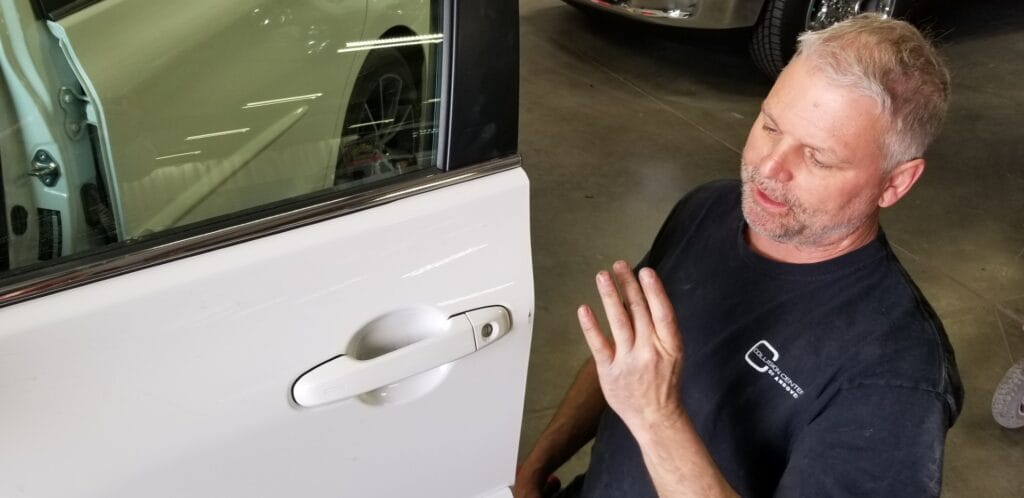
One of the first visual clues is misalignment in body panels. When the frame shifts, even slightly, it can change how doors and panels sit against the body.
You may notice:
- Doors that stick, bind, or do not close smoothly
- A hood or trunk that no longer lines up evenly
- Gaps that appear wider on one side than the other
These changes often mean the underlying structure has moved out of position.
2. Vehicle Pulls to One Side While Driving
If your vehicle drifts left or right without steering input, that can signal structural misalignment. A bent frame can alter suspension geometry, which affects how the car tracks on the road.
Watch for:
- Constant steering correction to stay straight
- Alignment adjustments that do not hold
- A steering wheel that feels slightly turned while driving straight
If the problem returns after a standard alignment, the issue may be deeper than the tires.
3. Steering Wheel Feels Off-Center or Vibrates
A steering wheel that no longer sits straight when the vehicle is moving forward can point to structural changes. Vibration at certain speeds may also indicate that components are no longer aligned properly.
Drivers often report:
- Steering wheel tilted to one side while driving straight
- Shaking or vibration at highway speeds
- A loose or unstable steering feel
These symptoms suggest the frame or suspension mounting points may have shifted.
4. Unusual Noises or Clunking Sounds
New noises after a collision should never be dismissed. When structural components move, they can place stress on suspension parts and mounting brackets.
Listen for:
- Clunking when going over bumps
- Creaking sounds during turns
- Rattling from underneath the vehicle
These sounds can develop gradually as weakened parts continue to shift over time.
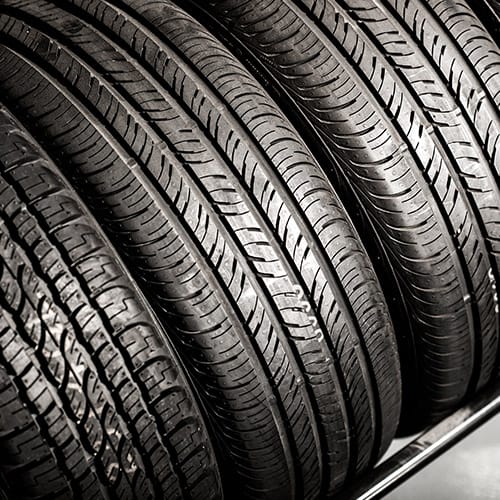
5. Uneven Tire Wear
Tires often reveal alignment problems before drivers feel them in the steering wheel. If the frame is not square, the wheels may not sit evenly on the road.
Look for:
- Tires wearing down faster on one side
- Feathering or irregular tread patterns
- Repeated alignment issues
Uneven tire wear is a strong indicator that something is out of specification beneath the surface.
6. Visible Damage Under the Vehicle
In some cases, structural damage can be seen from underneath the car. A careful visual check may reveal obvious signs of distortion.
Possible indicators include:
- Bent or kinked metal
- Cracked welds
- Twisted or uneven frame rails
If you notice any of these signs, it is important to schedule a professional inspection as soon as possible. Structural damage can worsen with continued driving and may affect both safety and long-term vehicle value.
How to Check for Possible Frame Damage at Home

You can perform a basic check at home to look for obvious structural concerns. These steps help you spot warning signs early, but they cannot confirm whether your vehicle meets factory specifications.
1. Start With a Visual Walkaround
Park on level ground and step back several feet from the vehicle. Look at it from the front and rear to see whether it appears slightly tilted or uneven.
Pay attention to:
- One side sitting lower than the other
- A wheel that looks pushed back in the wheel well
- Gaps that appear wider on one side
Use a flashlight to look underneath the vehicle. Compare both sides and check for areas that look pushed inward or misaligned.
2. Check for Obvious Asymmetry
You can take simple measurements to compare both sides of the vehicle. While not precise, they may reveal noticeable differences.
For example:
- Measure from the center of the front wheel to a fixed point on the body, then repeat on the opposite side
- Compare diagonal measurements from opposite corners of the vehicle
- Check ride height at each wheel to see if one corner sits lower
Significant differences from side to side may indicate a structural shift.
What You Should Not Attempt
Do not try to straighten metal yourself. Do not loosen structural bolts or attempt to pull the vehicle back into shape using jacks, chains, or straps.
Frame straightening requires calibrated equipment and controlled hydraulic pressure. Attempting repairs at home can cause further distortion and create safety risks.
Why DIY Checks Are Limited
Home inspections can only reveal obvious visual problems. They cannot determine whether the vehicle’s structure is within manufacturer tolerances.
They also cannot evaluate:
- Hidden stress points
- Suspension mounting alignment
- Electronic safety system calibration
If anything feels off, drives differently, or looks uneven, a professional inspection is the safest next step.
What Professional Frame Inspection Involves
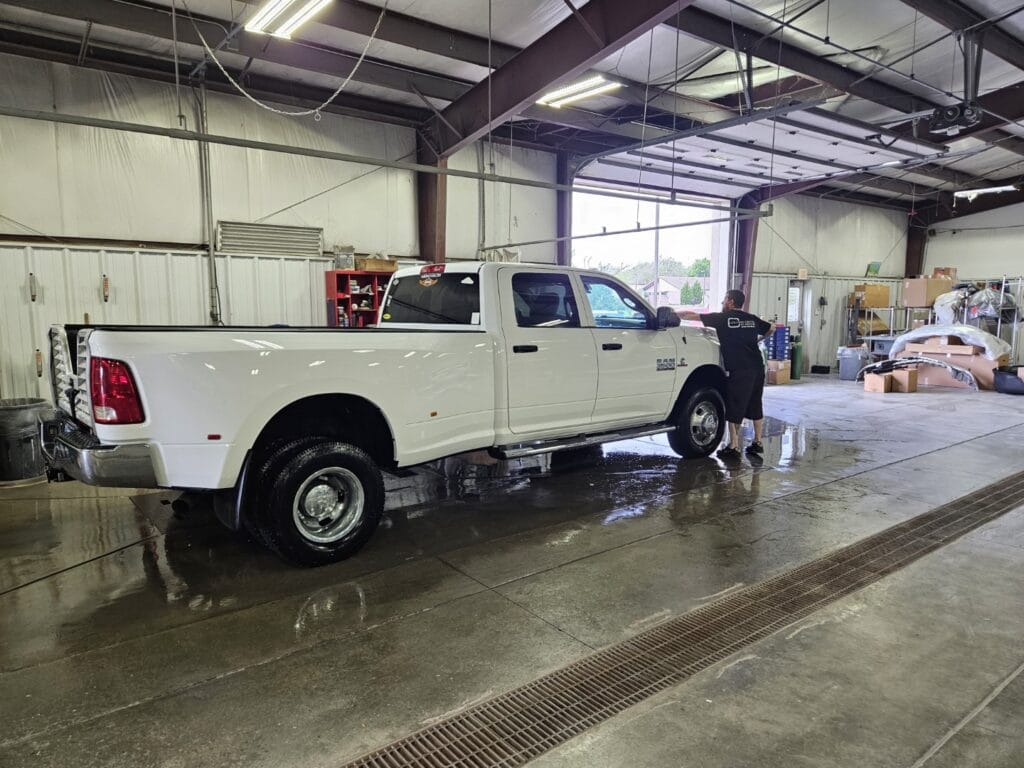
A professional inspection uses specialized equipment and trained technicians to evaluate the vehicle accurately. The goal is to confirm whether the structure matches factory specifications.
Computerized Frame Measuring Systems
Shops use digital measuring systems to compare structural reference points against manufacturer data. These systems detect small deviations that cannot be seen during a visual check.
They measure:
- Frame rail position
- Suspension mounting points
- Structural symmetry
- Overall alignment
This provides clear data rather than guesswork.
Frame Straightening Equipment
If corrections are needed, technicians use frame racks and hydraulic pulling systems. These tools apply controlled pressure to return structural points to their proper location.
The process is gradual and precise. Measurements are rechecked throughout to ensure accuracy.
Structural Safety Checks
Beyond measurements, technicians inspect key structural areas to confirm strength and integrity.
This includes examining:
- Weld areas
- Reinforcement points
- Attachment locations for suspension components
- Areas that absorb impact in a collision
The goal is to ensure the vehicle can perform safely in everyday driving and future impacts.
The Importance of Certified Technicians
Structural repairs affect safety systems and require up to date training. Certified technicians follow manufacturer repair procedures to protect crash performance and vehicle value.
At Collision Center of Andover, our team holds Gold I-CAR Certification, a designation earned by shops that maintain rigorous ongoing training standards. Our state of the art facility is equipped with advanced measuring and repair systems to ensure vehicles in Andover and Wichita are restored accurately and safely.
A professional inspection provides documented results you can use for insurance purposes and repair decisions. It gives you confidence that the structure of your vehicle has been evaluated properly and restored the right way.
Can You Drive a Car With a Bent Frame?
In some cases, a vehicle with a bent frame may still start and move. That does not mean it is safe to drive.
Safety Risks
A damaged frame can affect how the vehicle handles in everyday driving. Steering may feel unstable, braking distances can change, and the car may not respond the way it should in an emergency.
Even small structural shifts can reduce overall stability, especially at higher speeds.
Impact on Airbags and Crumple Zones
Modern vehicles are designed with crumple zones that absorb impact in a controlled way. If the structure is already bent, those areas may not perform as intended in another collision.
Airbag sensors are also mounted to structural points. If those points shift, airbag timing and deployment performance can be affected.
Legal and Insurance Considerations
A vehicle with significant structural damage may not pass inspection requirements if repairs are incomplete. From an insurance standpoint, frame damage plays a major role in repair decisions.
If repair costs approach or exceed the vehicle’s value, the insurer may declare it a total loss. Frame damage alone does not guarantee that outcome, but it is often a key factor.
If your vehicle feels unsafe to drive, it is best to stop and have it evaluated.
What to Do If You Suspect Frame Damage in Andover or Wichita
If your vehicle feels different after an accident, act sooner rather than later. Early inspection helps prevent additional damage and protects your safety.
Stop Driving if It Feels Unsafe
If the car pulls, vibrates, or feels unstable, limit driving until it is checked. Continued use can worsen structural or suspension problems.
Schedule a Professional Inspection
A proper frame evaluation confirms whether the vehicle meets manufacturer specifications. Accurate measurements provide clear answers about the extent of any structural shift.
Notify Your Insurance Company
Report the accident promptly and keep documentation of inspections and repair estimates. Clear records help support any structural repair claims.
Collision Center of Andover offers free estimates and backs structural repairs with a lifetime workmanship guarantee. If you are unsure about possible frame damage, a professional inspection is the safest and most reliable next step.
Final Thoughts
A bent frame is not something you want to guess about. Even if the damage seems minor, a proper inspection can protect your safety, your vehicle’s value, and your peace of mind.
Since 2006, Collision Center of Andover has been helping drivers across Andover and Wichita with full collision repair, structural repairs, auto glass service, and paintless dent repair. As a locally owned, Gold I-CAR Certified shop with a state of the art facility and a lifetime workmanship guarantee, we focus on doing the job right the first time.
If you have questions after an accident, schedule a free estimate and let our team take a closer look. A careful evaluation today can help you move forward with confidence and know your vehicle is safe for the road ahead.