

The Phone Call Nobody Wants After a Wreck
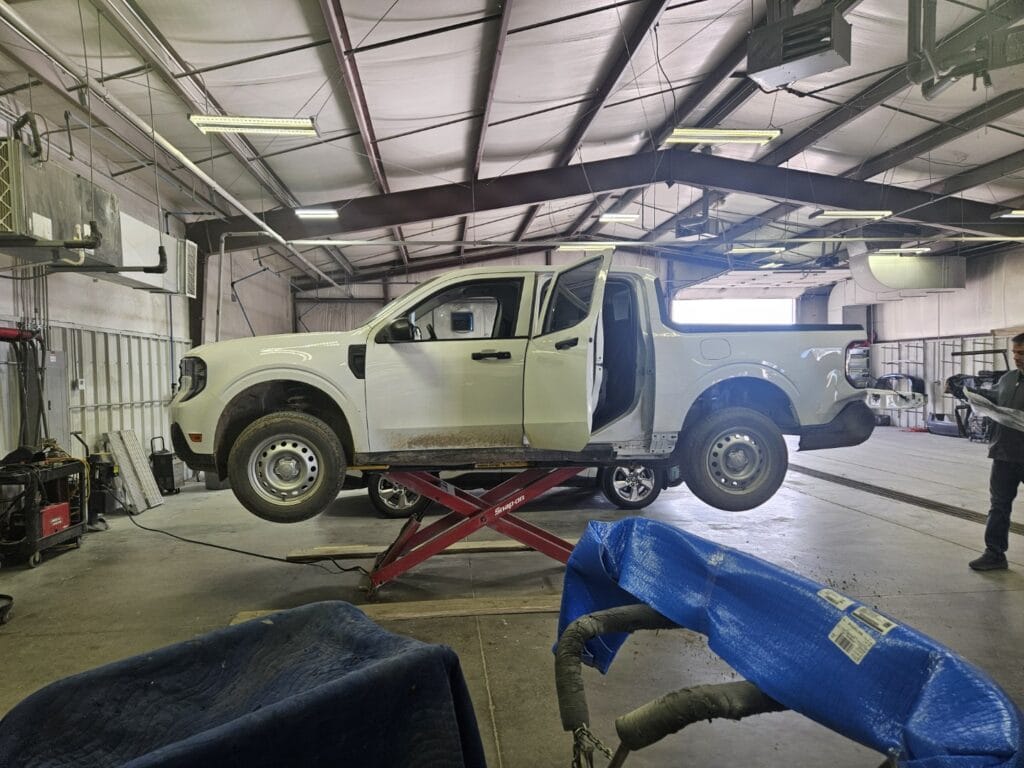
You got the estimate. You filed the claim. You finally felt like things were under control.
Then the shop calls. “We took the bumper off, and we found more damage.”
Your stomach drops. Was the first number a lie? Are they padding the bill? Will you be stuck paying the difference?
It’s frustrating when a number you trusted suddenly changes. But here’s the thing: in collision repair, a higher estimate after teardown is often a sign the shop is doing its job right, not wrong.
In this guide, you’ll learn why estimates change, what’s normal and what isn’t, who pays for the extra work, and how to tell an honest shop from one that just wants a bigger check.
Why the First Estimate Is Only a Starting Point
Shops can’t see through metal
Nobody has X-ray vision. A first estimate is based on what an estimator can see from the outside. That means dents, scrapes, cracked lights, and broken plastic.
Modern cars hide a lot behind that outer skin. Your bumper cover is mostly plastic trim. Behind it sit foam energy absorbers, metal reinforcement bars, brackets, sensors, wiring, and cooling parts. A hit that looks minor on the outside can crush several of those.
What “teardown” actually means
Teardown is exactly what it sounds like. Technicians carefully take apart the damaged area, piece by piece, until they reach clean, undamaged parts. Some shops call it “disassembly” or “blueprinting.”
This is the moment the truth comes out. A cracked radiator support. A bent bumper mount. A sensor bracket that’s snapped. A frame rail pushed out of position by a few millimeters.
Want to know the secret? A few millimeters matter a lot. Your car’s safety systems and crumple zones are built to exact measurements. If a frame rail is off, the car may not protect you the same way in the next crash. That’s why careful shops measure with computerized frame and unibody alignment instead of guessing.
The Three Estimates You Might See (and What Each One Means)
Many drivers don’t realize there can be more than one estimate on a single claim. Here’s how they compare.
| Estimate Type | When It Happens | What It’s Based On | How Complete It Is | Who Usually Sees It |
| Initial (visual) estimate | Right after the accident, often at a drive-in or from photos | Only visible outside damage | Rough; hidden damage is missed | You and your insurer |
| Teardown (blueprint) estimate | After the shop takes the damaged area apart | Visible damage plus everything found inside | Much more complete | The shop, your insurer, and you |
| Supplement | Any time new damage is found during repair | Extra parts and labor not on the earlier estimate | Adds to the approved total | Insurer must review and approve |
Here’s what matters most. A photo estimate from an app or a quick look in a parking lot is the least complete of the bunch. If your first number came from a phone picture, expect it to change.
What a Supplement Really Is
It’s an add-on, not a do-over
A supplement is a written request to the insurance company. It says, “We found more damage. Here’s what it is, here’s proof, and here’s the cost.”
Good shops back it up with photos, part numbers, and repair procedures from the carmaker. The insurer reviews it. Sometimes they approve it right away. Sometimes they send an adjuster to look in person.
Why supplements are so common
Think of it like a doctor. A quick look tells them your arm hurts. The X-ray tells them it’s broken in two places. Nobody calls the X-ray a scam.
Supplements are a normal part of the insurance repair process. They happen on minor hits and major ones. A front-end bump on a newer car can easily turn up hidden parts that need replacing, like sensors behind the grille or a damaged condenser.
That’s exactly what happened with a 2014 Dodge Ram the team handled after a front-end wreck in Wichita. The visible damage was only part of the story. Inside, the truck had frame damage, and the radiator and A/C condenser needed to be replaced. The repair was still done in four days. You can see that one and others in the before and after gallery.
Who Pays When the Price Goes Up?
The short answer for most insured drivers
Here’s some relief. If the extra damage came from the same accident and your claim is covered, the insurance company usually pays for the supplement. Your deductible typically stays the same. You don’t pay more just because the shop found more.
That holds true whether it’s your own collision coverage or the other driver’s liability coverage paying the bill.
The exceptions you should know about
This doesn’t work if the “new” damage wasn’t caused by this accident. Old rust, a previous unrepaired dent, or worn-out parts aren’t the insurer’s job to fix. A good shop will tell you clearly which items fall into that bucket before work goes forward.
Another exception is “betterment.” If a worn part gets replaced with a brand-new one, some insurers ask you to pay the portion that improves your car beyond its pre-accident condition. Tires and batteries are common examples.
And here’s a tough one. If supplements push the repair cost high enough, the insurer may decide the car is a total loss. That’s not the shop’s call. It’s based on your car’s value and your insurer’s rules. An honest shop will warn you early if your repair is heading that way.
Paying out of pocket?
If you’re skipping insurance and paying cash, ask the shop to call you before doing any added work. You should approve every dollar. Period.
How to Tell an Honest Supplement From a Padded Bill
Green flags
You might feel overwhelmed trying to judge a repair you can’t see. That’s fair. But you don’t need to be a mechanic to spot good behavior.
An honest shop calls you before the extra work starts. They explain what they found in plain words. They offer to show you the damaged parts or send photos. And they can tell you how the change affects your timeline.
That’s how Collision Center of Andover has handled estimates since opening in 2006. The promise is simple: we tell you upfront what will be done before we get started. When teardown turns up something new, you hear about it from a real person who can walk you through it.
Red flags
Be careful if a shop can’t explain a new charge. Or if they won’t show you photos. Or if the “extra damage” is vague, like “misc. parts” with no detail.
Another warning sign? A shop that quotes a super-low number to win your business, then piles on charges later. A low first estimate isn’t a bargain if it was never realistic.
Ask these questions at drop-off
Before you hand over the keys, ask three things. Will you do a full teardown before final ordering parts? Will you call me before any supplement is sent? Can I see photos of hidden damage?
A confident shop won’t flinch at any of them.
Why the Shop You Choose Matters More Than You Think
You usually get to pick
Here’s what a lot of people don’t know. Your insurer may suggest a shop from its network, but in Kansas, as in most states, you generally have the right to choose where your car is repaired. A suggestion isn’t an order.
That matters for supplements. A shop that works for you will push for the repairs your car truly needs. It will document hidden damage carefully and argue for proper parts and procedures, even when the paperwork takes longer.
Training changes what gets found
Spotting hidden damage takes skill. Technicians trained on the latest repair methods know where to look on newer vehicles, including the sensors, high-strength steel, and safety systems that older shops might miss.
Collision Center of Andover holds I-CAR Gold Class status, a training standard for collision shops. That training is a big reason the team catches damage during teardown instead of after you’ve driven off. Better to find it on the lift than on the highway.
Someone has to answer for it
Look at it this way. If something goes wrong six months from now, who do you call?
With a national chain, you might get a call center. With a locally owned shop, you get the people who fixed your car. Collision Center of Andover backs its workmanship with a lifetime guarantee, and the owner is right here in Andover. You can meet the team behind your repair before you ever drop off a key.
A Smoother Repair, Start to Finish
The best way to reduce estimate surprises is to start with a thorough one. Here’s what that looks like in practice.
First, get the car to the shop quickly. If it’s not safe to drive, use 24/7 towing in Sedgwick and Butler County so it arrives without new damage.
Next, let the shop do a full inspection and teardown before final parts are ordered. That way, most supplements happen early instead of halfway through the job. Fewer delays. Fewer surprise calls.
Then, let the shop work directly with your insurance company. You shouldn’t have to play messenger between the adjuster and the body shop. One customer, a financial advisor, put it well in his review: the shop helped process his claim, set up his rental, and finished the repair right when they said it would be done.
Finally, inspect your car at pickup. Check the paint in daylight, test the doors and lights, and ask questions. A good shop wants you to look closely.
Whether you need full-line collision repair after a crash or hail repair after a Kansas storm, the same rule applies. Honest teardown first. Clear communication always.
Frequently Asked Questions
Is it normal for a collision repair estimate to go up after teardown?
Yes. First estimates only cover visible damage. Once technicians remove the bumper or panels, they often find broken brackets, absorbers, sensors, or frame damage. A supplement adds those items so the car is fixed completely and safely.
Will I have to pay more if my estimate increases?
Usually not, if the extra damage came from the same accident and your claim is covered. The insurer pays the approved supplement, and your deductible normally stays the same. Exceptions include pre-existing damage and betterment charges for worn parts.
How long does a supplement delay my repair?
It depends on how fast the insurer reviews it and whether new parts are in stock. Simple approvals can take a day or less. If an adjuster must re-inspect the car, it can take longer. Doing a full teardown early reduces mid-repair delays.
Can a hidden-damage supplement make my car a total loss?
It can. If the full repair cost climbs past what your insurer considers worth fixing compared to the car’s value, they may total it. An honest shop will warn you as soon as the numbers start heading that direction. If you suspect structural damage, read how to tell if your frame is bent after an accident.
The Bottom Line on Changing Estimates
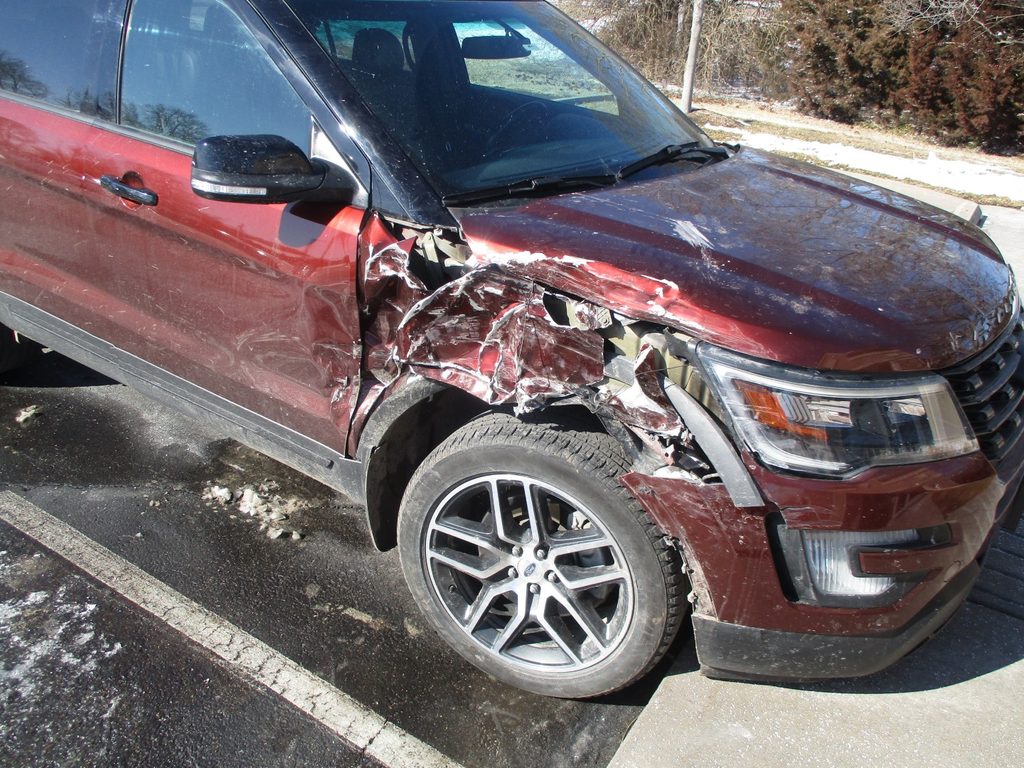
A higher number after teardown doesn’t mean you’re being taken for a ride. Most of the time, it means someone finally looked behind the bumper.
What matters is how the shop handles it. You deserve a call before extra work starts, proof of what was found, and a straight answer about who pays. You also deserve a shop that will still be around if something isn’t right later.
If you’re in Andover, Wichita, or anywhere in Butler County, get a thorough look from people who answer for their work. Request a free collision repair estimate or call (316) 733-9310. We’ll tell you what we see, what we find, and what it means for you, before we start.