Open Hours
Mon - Fri:
7.30 am - 5.30 pm
Sat - Sun:
Closed

Category: Blog

How to Tell if Your Frame Is Bent After an Accident
4

A car can look perfectly fine after a crash and still have serious structural damage beneath the surface. Even when the exterior damage seems minor, the impact can shift critical components that affect how your vehicle drives and protects you.

At Collision Center of Andover, we have been serving drivers in Andover, Wichita, and surrounding communities since 2006, and we have seen how often hidden frame issues go unnoticed after what seems like a minor accident. In this article, we will explain how to recognize the signs of a bent frame, what those symptoms mean for your safety and vehicle value, and when it is time to schedule a professional inspection you can trust.

Why Frame Damage Matters More Than You Think

The frame supports everything that keeps your vehicle stable and safe on the road. It holds the engine, suspension, steering system, and body in proper alignment.

Most modern vehicles use a unibody design, which means the frame and body are built together as one structure. Some trucks and larger SUVs use a body on frame design, where the body sits on a separate steel frame underneath.

When that structure bends or twists, even slightly, it can affect:

  • Steering response
  • Suspension alignment
  • Tire wear
  • Overall stability
  • Crash protection in a future accident

A bent frame can interfere with crumple zones that are designed to absorb impact in a controlled way. What surprises many drivers is how little force it takes to cause this kind of issue. A low speed collision, a curb strike, or a moderate rear end accident can shift critical structural points without leaving obvious exterior damage.

Common Signs Your Frame May Be Bent

After an accident, frame damage often shows up through small changes in how your vehicle looks or drives. These warning signs may seem minor at first, but together they can point to a deeper structural issue that should not be ignored.

Below are the most common indicators drivers notice before a professional inspection confirms the problem.

1. Uneven Gaps Around Doors, Hood, or Trunk

One of the first visual clues is misalignment in body panels. When the frame shifts, even slightly, it can change how doors and panels sit against the body.

You may notice:

  • Doors that stick, bind, or do not close smoothly
  • A hood or trunk that no longer lines up evenly
  • Gaps that appear wider on one side than the other

These changes often mean the underlying structure has moved out of position.

2. Vehicle Pulls to One Side While Driving

If your vehicle drifts left or right without steering input, that can signal structural misalignment. A bent frame can alter suspension geometry, which affects how the car tracks on the road.

Watch for:

  • Constant steering correction to stay straight
  • Alignment adjustments that do not hold
  • A steering wheel that feels slightly turned while driving straight

If the problem returns after a standard alignment, the issue may be deeper than the tires.
1

3. Steering Wheel Feels Off-Center or Vibrates

A steering wheel that no longer sits straight when the vehicle is moving forward can point to structural changes. Vibration at certain speeds may also indicate that components are no longer aligned properly.

Drivers often report:

  • Steering wheel tilted to one side while driving straight
  • Shaking or vibration at highway speeds
  • A loose or unstable steering feel

These symptoms suggest the frame or suspension mounting points may have shifted.

4. Unusual Noises or Clunking Sounds

New noises after a collision should never be dismissed. When structural components move, they can place stress on suspension parts and mounting brackets.

Listen for:

  • Clunking when going over bumps
  • Creaking sounds during turns
  • Rattling from underneath the vehicle

These sounds can develop gradually as weakened parts continue to shift over time.

5. Uneven Tire Wear

Tires often reveal alignment problems before drivers feel them in the steering wheel. If the frame is not square, the wheels may not sit evenly on the road.

Look for:

  • Tires wearing down faster on one side
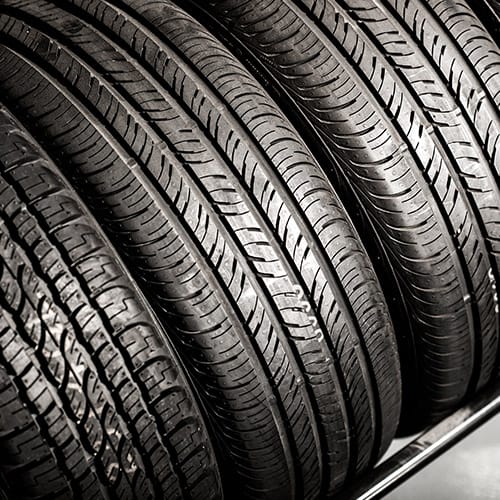
  • Feathering or irregular tread patterns
  • Repeated alignment issues

Uneven tire wear is a strong indicator that something is out of specification beneath the surface.

6. Visible Damage Under the Vehicle

In some cases, structural damage can be seen from underneath the car. A careful visual check may reveal obvious signs of distortion.

Possible indicators include:

  • Bent or kinked metal
  • Cracked welds
  • Twisted or uneven frame rails

If you notice any of these signs, it is important to schedule a professional inspection as soon as possible. Structural damage can worsen with continued driving and may affect both safety and long-term vehicle value.

How to Check for Possible Frame Damage at Home

2

You can perform a basic check at home to look for obvious structural concerns. These steps help you spot warning signs early, but they cannot confirm whether your vehicle meets factory specifications.

1. Start With a Visual Walkaround

Park on level ground and step back several feet from the vehicle. Look at it from the front and rear to see whether it appears slightly tilted or uneven.

Pay attention to:

  • One side sitting lower than the other
  • A wheel that looks pushed back in the wheel well
  • Gaps that appear wider on one side

Use a flashlight to look underneath the vehicle. Compare both sides and check for areas that look pushed inward or misaligned.

2. Check for Obvious Asymmetry

You can take simple measurements to compare both sides of the vehicle. While not precise, they may reveal noticeable differences.

For example:

  • Measure from the center of the front wheel to a fixed point on the body, then repeat on the opposite side
  • Compare diagonal measurements from opposite corners of the vehicle
  • Check ride height at each wheel to see if one corner sits lower

Significant differences from side to side may indicate a structural shift.

What You Should Not Attempt

Do not try to straighten metal yourself. Do not loosen structural bolts or attempt to pull the vehicle back into shape using jacks, chains, or straps.

Frame straightening requires calibrated equipment and controlled hydraulic pressure. Attempting repairs at home can cause further distortion and create safety risks.

Why DIY Checks Are Limited

Home inspections can only reveal obvious visual problems. They cannot determine whether the vehicle’s structure is within manufacturer tolerances.

They also cannot evaluate:

  • Hidden stress points
  • Suspension mounting alignment
  • Electronic safety system calibration

If anything feels off, drives differently, or looks uneven, a professional inspection is the safest next step.

What Professional Frame Inspection Involves
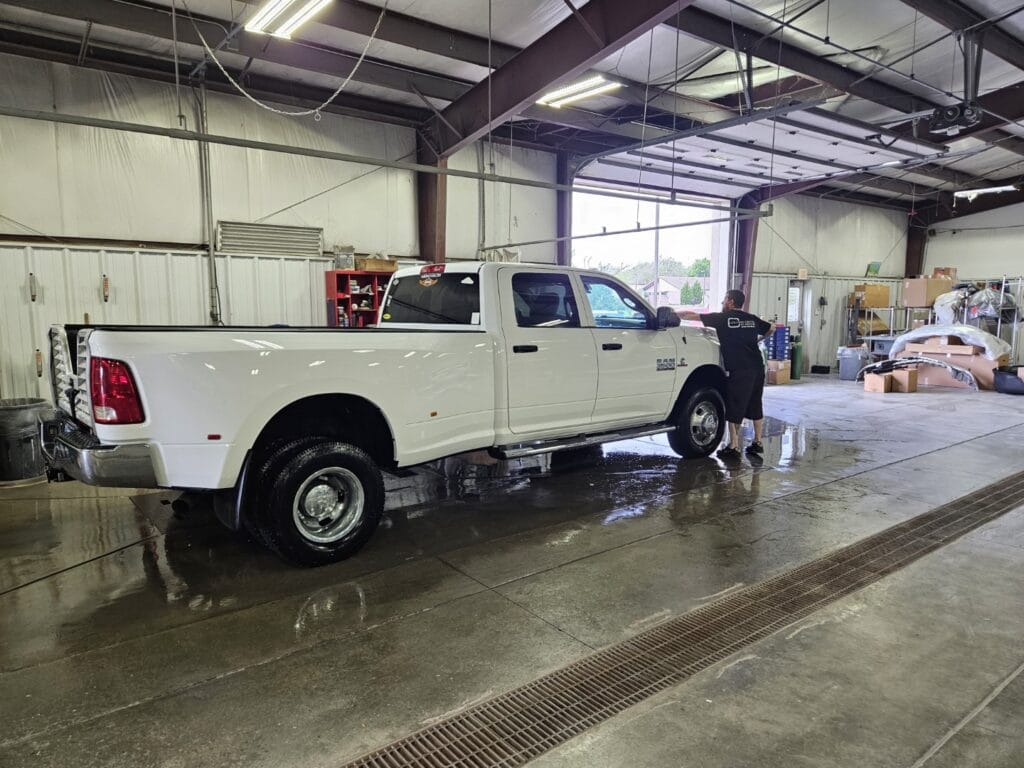
3

A professional inspection uses specialized equipment and trained technicians to evaluate the vehicle accurately. The goal is to confirm whether the structure matches factory specifications.

Computerized Frame Measuring Systems

Shops use digital measuring systems to compare structural reference points against manufacturer data. These systems detect small deviations that cannot be seen during a visual check.

They measure:

  • Frame rail position
  • Suspension mounting points
  • Structural symmetry
  • Overall alignment

This provides clear data rather than guesswork.

Frame Straightening Equipment

If corrections are needed, technicians use frame racks and hydraulic pulling systems. These tools apply controlled pressure to return structural points to their proper location.

The process is gradual and precise. Measurements are rechecked throughout to ensure accuracy.

Structural Safety Checks

Beyond measurements, technicians inspect key structural areas to confirm strength and integrity.

This includes examining:

  • Weld areas
  • Reinforcement points
  • Attachment locations for suspension components
  • Areas that absorb impact in a collision

The goal is to ensure the vehicle can perform safely in everyday driving and future impacts.

The Importance of Certified Technicians

Structural repairs affect safety systems and require up to date training. Certified technicians follow manufacturer repair procedures to protect crash performance and vehicle value.

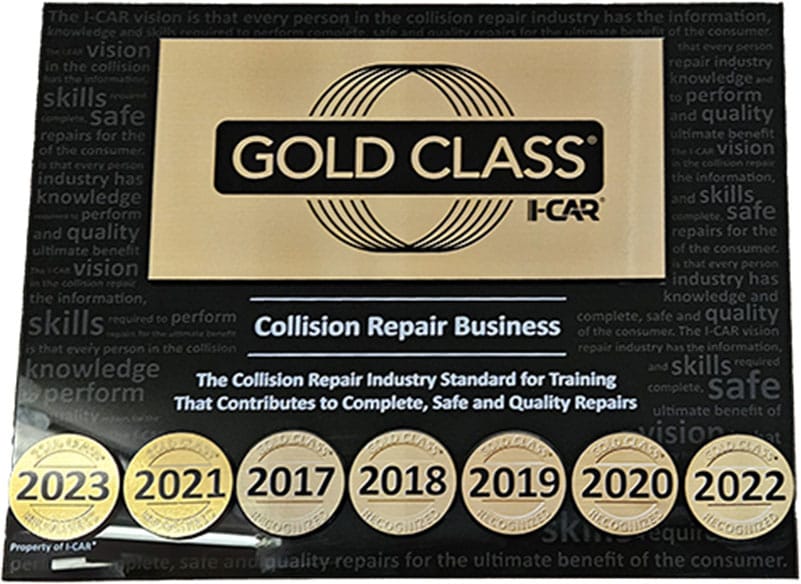
At Collision Center of Andover, our team holds Gold I-CAR Certification, a designation earned by shops that maintain rigorous ongoing training standards. Our state of the art facility is equipped with advanced measuring and repair systems to ensure vehicles in Andover and Wichita are restored accurately and safely.

A professional inspection provides documented results you can use for insurance purposes and repair decisions. It gives you confidence that the structure of your vehicle has been evaluated properly and restored the right way.

Can You Drive a Car With a Bent Frame?

In some cases, a vehicle with a bent frame may still start and move. That does not mean it is safe to drive.

Safety Risks

A damaged frame can affect how the vehicle handles in everyday driving. Steering may feel unstable, braking distances can change, and the car may not respond the way it should in an emergency.

Even small structural shifts can reduce overall stability, especially at higher speeds.

Impact on Airbags and Crumple Zones

Modern vehicles are designed with crumple zones that absorb impact in a controlled way. If the structure is already bent, those areas may not perform as intended in another collision.

Airbag sensors are also mounted to structural points. If those points shift, airbag timing and deployment performance can be affected.

Legal and Insurance Considerations

A vehicle with significant structural damage may not pass inspection requirements if repairs are incomplete. From an insurance standpoint, frame damage plays a major role in repair decisions.

If repair costs approach or exceed the vehicle’s value, the insurer may declare it a total loss. Frame damage alone does not guarantee that outcome, but it is often a key factor.

If your vehicle feels unsafe to drive, it is best to stop and have it evaluated.

What to Do If You Suspect Frame Damage in Andover or Wichita

If your vehicle feels different after an accident, act sooner rather than later. Early inspection helps prevent additional damage and protects your safety.

Stop Driving if It Feels Unsafe

If the car pulls, vibrates, or feels unstable, limit driving until it is checked. Continued use can worsen structural or suspension problems.

Schedule a Professional Inspection

A proper frame evaluation confirms whether the vehicle meets manufacturer specifications. Accurate measurements provide clear answers about the extent of any structural shift.

Notify Your Insurance Company

Report the accident promptly and keep documentation of inspections and repair estimates. Clear records help support any structural repair claims.

Collision Center of Andover offers free estimates and backs structural repairs with a lifetime workmanship guarantee. If you are unsure about possible frame damage, a professional inspection is the safest and most reliable next step.

Final Thoughts

A bent frame is not something you want to guess about. Even if the damage seems minor, a proper inspection can protect your safety, your vehicle’s value, and your peace of mind.

Since 2006, Collision Center of Andover has been helping drivers across Andover and Wichita with full collision repair, structural repairs, auto glass service, and paintless dent repair. As a locally owned, Gold I-CAR Certified shop with a state of the art facility and a lifetime workmanship guarantee, we focus on doing the job right the first time.

If you have questions after an accident, schedule a free estimate and let our team take a closer look. A careful evaluation today can help you move forward with confidence and know your vehicle is safe for the road ahead.

5

Simple Tips to Avoid Fender Benders This Winter

1

Winter weather in the Wichita area creates the perfect conditions for fender benders. Reduced traction, longer stopping distances, and limited visibility all increase the chance of a minor collision. While you cannot control the weather, you can control how you drive.

At Collision Center of Andover, we understand how a simple mistake or oversight on the road can lead to unexpected collision repairs. Let’s review some winter driving tips to help you avoid accidents and learn how our team of experienced auto body technicians can help restore your vehicle if you’re ever involved in a fender bender.

Winter Road Conditions in the Wichita Area

Wichita winters can be unpredictable. Temperatures often hover right around freezing, which means moisture on the road can quickly turn into ice. Bridges, overpasses, and shaded areas tend to freeze first and stay icy longer than other parts of the road.

Snow is not the only concern. Light freezing rain or sleet can be more dangerous because it is harder to see and drivers often underestimate how slick the roads really are. Staying alert and adjusting your driving based on current conditions is one of the best ways to avoid a winter fender bender.

Slow Down More Than You Think You Need To

One of the biggest causes of winter accidents is driving too fast for conditions. Even if you are under the speed limit, your speed may still be too high for icy or snowy roads.

To avoid accidents in the winter, slow down when road conditions are poor. Leave early so you do not feel rushed. Slower speeds give you more time to react if traffic stops suddenly or if your vehicle starts to slide. Remember that other drivers may not be as cautious, so staying in control of your vehicle is essential.

Increase Your Following Distance

Tailgating is risky any time of year, but it becomes especially dangerous in winter. On dry pavement, a few seconds of following distance may be enough. However, on icy roads, you need much more space.

Aim to leave at least six to eight seconds between you and the vehicle ahead when roads are slick. This extra distance gives you room to brake gradually and reduces the chance of sliding into another car at a stoplight or in slow traffic.

Brake Early and Gently

Sudden braking is a common cause of fender benders. Slamming on the brakes can cause your tires to lose traction, especially on ice or packed snow.

Instead, start braking earlier than usual and apply steady, gentle pressure. If your vehicle has anti-lock brakes, let the system do its job and keep steady pressure on the pedal. If you start to slide, ease off the brake and steer in the direction you want the front of the car to go.

Make Sure Your Tires are Winter Ready

Your tires are the only part of your vehicle that touches the road, so their condition matters more in winter than almost any other season.

Check your tire thread depth regularly. Worn tires struggle to grip slick roads. Proper tire pressure is also important, since cold temperatures can cause pressure to drop. Underinflated tires reduce handling and increase stopping distances.

If you notice uneven wear or frequent slipping, it may be time to have your tires inspected by a professional before winter weather gets worse.

Keep Your Windows, Lights, and Mirrors Clear

Visibility plays a huge role in avoiding accidents. Snow, frost, and road grime can build up quickly and limit what you can see.

Take a few extra minutes before driving to fully clear your windshield, windows, mirrors, headlights, and taillights. Using your headlights during snowy or overcast conditions helps other drivers see you more easily.

Inside the car, use your defroster to prevent windows from fogging up. Good visibility gives you more time to react and avoid minor collisions.

2

Be Extra Cautious at Intersections and Parking Lots

Intersections are common spots for winter fender benders. Vehicles may slide through stop signs or have trouble stopping at red lights. Approach intersections slowly and be prepared for unexpected movement from other drivers.

Parking lots are another trouble area. Snow piles, tight spaces, and limited visibility increase the risk of minor collisions. Drive slowly, watch for pedestrians, and be patient when backing out or pulling into spots.

Watch Out for Black Ice

Black ice is especially dangerous because it is hard to see. It often forms overnight and early in the morning when temperatures suddenly drop.

Be cautious on bridges, overpasses, and roads near water. If your steering suddenly feels light or your vehicle starts to drift, ease off the gas and avoid sharp movements. Staying calm and smooth can help you regain control.

Stay Focused and Avoid Distractions

Winter driving demands more attention than usual. Using your phone, adjusting controls, or looking away from the road for even a moment can increase the risk of an accident.

Keep both hands on the wheel and your eyes on the road. If conditions are poor, consider pulling over safely if you need to make a call or adjust your navigation. Staying focused helps you spot hazards early and react safely.

What To Do If a Fender Bender Happens

Even with the best precautions, accidents can still happen. If you are involved in a minor collision, move to a safe location if possible and check for injuries. Exchange information with the other driver and document the damage with photos.

After an accident, it’s important to have your vehicle inspected by professionals who understand collision damage. Even small fender benders can hide issues beneath the surface. Our collision repair services are designed to restore your vehicle’s safety, appearance, and value after an accident.

Trust Local Experts for Quality Collision Repair

If winter driving in Wichita does lead to an accident, choosing the right repair shop matters. A full service body shop can handle everything from minor dents and bumper repairs to more extensive collision work.

Our team at Collision Center of Andover has proudly received Gold I-Car Certification, a gold standard not many auto body shops meet. In addition to our gold-star recognition, our team of skilled technicians have decades of experience, having established our shop in 2006.

We work with all major insurance companies and focus on quality repairs that meet manufacturer standards. When you trust experienced professionals, you can get back on the road with confidence knowing your vehicle was repaired correctly.

Drive Safely This Winter Season

Winter driving in Wichita does not have to be stressful. By slowing down, keeping your distance, maintaining your vehicle, and staying alert, you can greatly reduce your chances of a winter fender bender.

If you do find yourself in an accident this season, we’re here to help. Contact Collision Center of Andover at 316-733-9310 to learn more about our collision repair services and let our experienced team take care of your vehicle from start to finish. Stay safe, drive smart, and remember that help is just a phone call away when you need it.

5

The Hidden Damage You Can’t See After a Minor Accident

1

A minor accident can fool you into thinking everything is fine, especially when the car still drives normally and the bumper barely shows a mark. But modern vehicles are built to hide a lot under the surface, and the damage you don’t see right away is often the kind that affects safety, handling, and long-term reliability.

Drivers learn this the hard way when warning lights, odd vibrations, or steering problems appear days or even weeks after the incident. That’s why shops like Collision Center of Andover take every minor accident seriously and look deeper than the surface. A careful inspection now can save you from the headaches no one sees coming.

What Counts as Hidden Damage?

Hidden damage refers to the issues tucked beneath your vehicle’s outer panels, the structural shifts, mechanical problems, electrical faults, or safety-system disruptions that aren’t obvious during a quick visual check. These problems don’t announce themselves right away, but they quietly affect how your car performs, how safe it is, and how well it protects you in another accident.

Today’s unibody designs blend the frame and body into one structure, so even a small impact can move crucial components out of place. Add in advanced safety systems, sensors, and wiring hidden behind bumpers and trim, and it becomes clear how easily a “minor” hit can cause damage you simply can’t see without a proper inspection.

The Most Common Types of Hidden Damage After a Minor Accident

1. Frame Misalignment and Structural Shifts

Even a low-speed collision can bend or twist parts of the unibody, the core structure that supports the entire vehicle. When this happens, the exterior might look normal, but small internal shifts can change how the car handles. Computerized frame measuring systems are the only accurate way to detect these subtle distortions.

You might notice:

  • Pulling or drifting to one side
  • Uneven tire wear
  • A vehicle that feels less stable than before

Frame issues are serious because they affect how the car responds in everyday driving and in future accidents.

2. Suspension and Alignment Problems

Tie rods, control arms, struts, and other suspension components sit beneath the vehicle and absorb force during an impact. Even a light bump can bend or weaken these parts without leaving visible marks. As the car continues to be driven, the damage becomes clearer through changes in ride quality.

Common symptoms include:

  • Vibration through the steering wheel
  • Extra swaying or body roll when turning
  • Steering that feels loose or unsteady

When left untreated, suspension problems can reduce traction and make the car harder to control.

3. Sensor and ADAS Misalignment

Modern safety systems rely on cameras, radar units, and sensors tucked behind bumpers, grilles, and trim panels. A gentle tap to the front or rear of the car can shift these devices just enough to affect accuracy, even if no visible damage appears. Once misaligned, these systems can’t operate the way they were designed to.

2

Misalignment can disrupt:

  • Lane-keeping assistance
  • Blind spot monitoring
  • Automatic emergency braking
  • Parking and backup sensors

Because these components are hidden, diagnostic scans are the only way to confirm everything is functioning correctly.

4. Electrical and Wiring Issues

Today’s vehicles use more than 80 sensors and a complex network of wiring to manage safety features, engine performance, and interior electronics. A collision can stretch, pinch, or loosen wiring connections, creating problems that appear slowly over time. These issues often seem random and can mislead drivers into thinking the car has multiple unrelated faults.

Possible warning signs include:

  • Flickering or unexpected dashboard lights
  • Systems that activate or shut off on their own
  • Airbag or safety alerts that come and go

Electrical issues can escalate quickly, and diagnosing them requires specialized tools.

5. Internal Bumper Absorber Damage

Bumper covers are flexible and often hide what’s happening underneath. Behind them is a foam or metal absorber designed to take the force of a collision. A light impact can crush this component even if the outer cover looks fine. Once damaged, it can no longer protect the vehicle or you.

This type of damage is only visible when the bumper is removed, which is why professional inspections are important after any impact.

6. Cooling System and Fluid Leaks

3

Front-end impacts can shift or crack parts of the cooling system, including radiators, condensers, tanks, and hoses. These issues don’t always cause immediate leaks, but they can develop slowly as the vehicle heats up and cools down. If unnoticed, the engine may begin to overheat or lose performance.

Watch for:

  • A sweet or burnt odor
  • A rising temperature gauge
  • Small puddles or drips forming under the car

Addressing leaks early prevents overheating and major engine damage.

7. Hood or Trunk Misalignment

A hood or trunk that no longer closes smoothly or sits slightly off-center, can be a sign that structural supports underneath have shifted. While it may seem like a small inconvenience, alignment problems can create long-term issues that affect both safety and the condition of the vehicle.

Potential risks include:

  • Water entering the vehicle and causing rust
  • Damaged or weakened weather seals
  • A hood latch that may fail at higher speeds

Small alignment changes often point to larger structural concerns that need attention.

Why Hidden Damage Does Not Show Up Right Away

Right after a collision, it is normal for a vehicle to behave mostly the same because early symptoms are subtle. Adrenaline and stress also make it harder for drivers to notice small changes in steering, braking, or overall feel. What seems minor at first often becomes clearer once the car has been driven for a few days.

Hidden issues grow slowly because vibration, heat, and daily movement cause weakened parts to shift or loosen further. Cracks can spread, mounts can slip, and metal can continue to settle out of place.

Electronics add another layer of delay, since sensors often fail intermittently long before they stop working completely. This is why a car can look fine on the outside while internal problems quietly develop underneath.

Signs You May Have Hidden Damage

Hidden damages show through small changes in how the vehicle drives, sounds, or reacts. Each sign points to a different internal system that may have been affected.

  • Steering changes such as drifting, pulling, or delayed response often indicate alignment or suspension issues.
  • New dashboard lights may signal electrical faults or sensor problems that were triggered by the impact.
  • Strange noises or vibrations can come from bent components, loose brackets, or damaged mounts.
  • Uneven tire wear developing on one side suggests structural shifts or misalignment that were not visible at the time of the accident.
  • Fluid spots under the car point to leaks in the cooling system, transmission lines, or other components that were stressed during impact.
  • Doors, hood, or trunk sticking often means the underlying structure has shifted slightly out of position.
  • Safety features acting unpredictably such as sensors giving false alerts or failing to activate can indicate ADAS misalignment.

Even one of these signs is enough reason to schedule a professional inspection to confirm what is happening beneath the surface.

Hidden Damage and Your Insurance: What Drivers Should Know

Supplemental Claims for Newly Discovered Damage

Hidden issues often appear after the repair process begins, which is why insurers allow supplemental claims. A supplement covers damage that was not visible during the initial estimate and is typically accepted within a thirty to sixty day window.

Why Documentation Matters

Good documentation makes it easier for insurers to approve additional repairs. Helpful records include:

  • Photos of damage
  • Written repair estimates
  • Frame or alignment measurements
  • Diagnostic scan results

These details show the new findings are tied to the original accident.

4

When Diminished Value Applies

A vehicle can lose resale value even after high-quality repairs. Kansas drivers may qualify for a diminished value claim if:

  • Another driver was at fault
  • The damage was significant
  • The vehicle is newer or higher value

This helps recover the financial loss caused by the accident history.

When to Contact Your Adjuster vs a Repair Shop First

Use this simple guide:

  • An accident just happened: Contact your insurer first to open the claim.
  • Hidden damage found during repairs: A repair shop like Collision Center of Andover can communicate directly with your insurer and file a supplement for you.
  • New issues appear after repairs: Notify both your adjuster and the repair shop to confirm whether the problem is related to the original accident.

How Professionals Detect Hidden Damage (What Shops Actually Check)

Computerized Frame Measuring

Technicians use digital measuring systems to detect tiny structural shifts that cannot be seen by eye. These readings confirm whether the vehicle still matches factory specifications.

Digital Diagnostic Scans

Pre- and post-repair scans catch faults involving airbags, sensors, and electronic modules. This step reveals hidden electrical issues long before they become major failures.

ADAS Recalibration

Safety features rely on precise sensor positions. Even small impacts can shift cameras or radar units, so recalibration ensures lane assist, blind spot detection, and emergency braking work correctly.

Undercarriage and Mechanical Inspection

Lifting the vehicle exposes damage to suspension components, cooling lines, shields, and mounts. Many of these problems cannot be seen without a full underbody inspection.

Test Drive and Road Behavior Analysis

A test drive helps confirm whether the vehicle pulls, vibrates, or handles differently than before the accident. These symptoms often reveal deeper issues hidden beneath the surface.

Many Wichita and Andover drivers only discover the true scope of accident damage after a detailed inspection at Collision Center of Andover. The team routinely finds structural or electronic issues that quick walk-around checks miss.

gold-class2

How to Protect Yourself After a Minor Accident

Don’t Rely on a Visual Check Alone

A quick look rarely shows the real damage because modern vehicles hide important parts behind panels and bumpers. Internal components can shift or break even when the exterior looks normal.

Get a Post-Collision Inspection Even If Damage Seems Small

A professional inspection catches structural, mechanical, or sensor issues that are easy to miss. This helps prevent bigger repairs later and gives your insurer proper documentation.

Track Symptoms Over the Next Several Weeks

Hidden problems often appear slowly. Watch for new noises, warning lights, pulling, or fluid spots, since these can signal deeper damage from the accident.

Choose a Body Shop That Checks More Than Cosmetics

Not every repair shop goes beyond what is visible, so it is important to choose one that uses proper diagnostics. Look for a shop that performs frame measurements, diagnostic scans, ADAS recalibration, and underbody inspections rather than focusing only on paint or panels. This level of care ensures the vehicle is truly safe to drive again, not just restored on the outside.

Final Thoughts

Even small accidents can create hidden structural, mechanical, or electronic problems that quietly affect how your vehicle drives and protects you. Catching these issues early keeps you safer, strengthens your insurance claim, and helps avoid expensive repairs later on.

For drivers in Wichita, Andover, and nearby communities, Collision Center of Andover offers thorough post-collision inspections that reveal what a visual check cannot. A quick visit today is one of the simplest ways to protect your vehicle, your safety, and your peace of mind.

With 19 years of service in the community, Collision Center of Andover provides the experienced diagnostics and careful evaluation your vehicle needs after any minor accident. Schedule your post-collision inspection today and make sure your car is safe, sound, and ready for the road.

5